
The Other 22 Hours

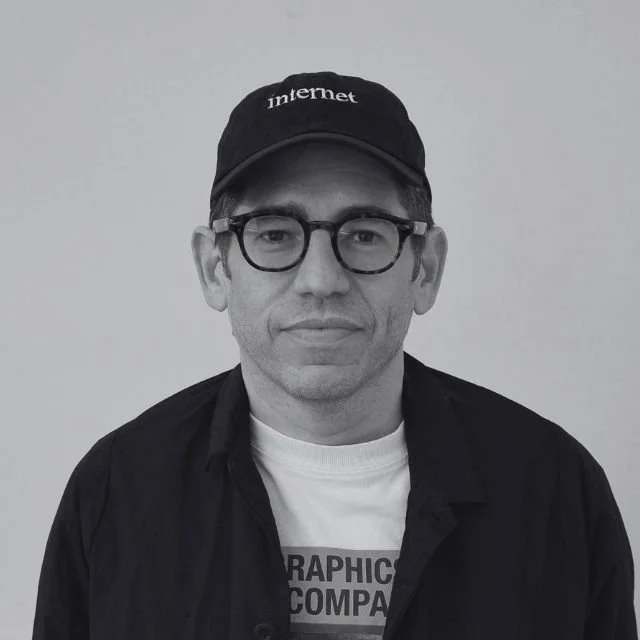
Revolutionizing the Creative Economy with Yancey Strickler.

Episode Summary

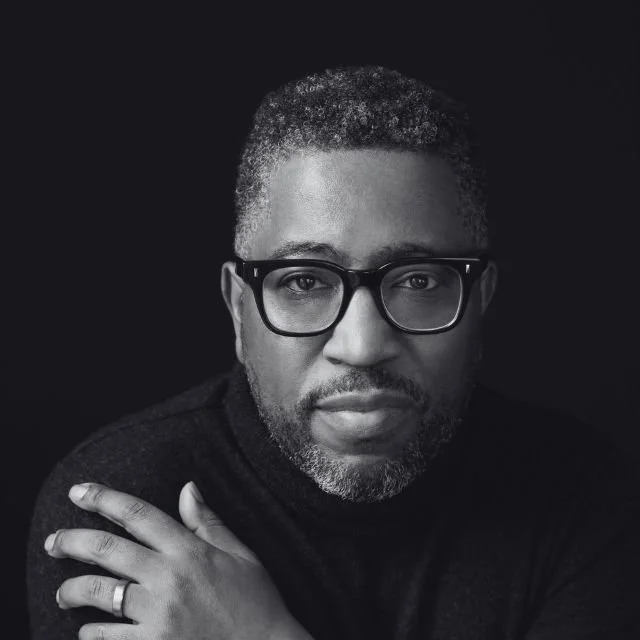
Yancey Strickler is a writer and entrepreneur that co-founded Kickstarter (and was CEO for 3 years), Metalabel, The Creative Independent, and A-Corp (Artist Corporations). Essentially, each of these ventures exist to equip creative people with capabilities, knowledge, and tools that make them more powerful. We cover the different facets of this at length, especially his concept of, and push to create Artist Corporations, the systemic exploitation of artists, how DSPs trade convenience for meaning and depth, platform boycotts, "winning" in it's purest sense, and a whole lot more.

Episode Notes

Yancey Strickler is a writer and entrepreneur that co-founded Kickstarter (and was CEO for 3 years), Metalabel, The Creative Independent, and A-Corp (Artist Corporations). Essentially, each of these ventures exist to equip creative people with capabilities, knowledge, and tools that make them more powerful. We cover the different facets of this at length, especially his concept of, and push to create Artist Corporations, the systemic exploitation of artists, how DSPs trade convenience for meaning and depth, platform boycotts, "winning" in it's purest sense, and a whole lot more.

Get more access and support this show by subscribing to our Patreon, right here.

Links:

Click here to watch this conversation on YouTube.

Social Media:

All music written, performed, and produced by Aaron Shafer-Haiss.

Episode Transcription

[00:00:00] Hey, and welcome to this week's episode of the Other 22 Hours podcast. I'm your host, Aaron Shafer-Haiss

Michaela: and I'm your other host, Michaela Anne. And we are on episode 126, and this week we're featuring our conversation with Yancey Strickler.

Aaron: Yeah, Yancy is probably the most perfect guest we could have on this show, and seems to be a culmination of the past 125 episodes. That we've had because he is at the forefront of asking questions and shifting paradigms. And most importantly, like creating solutions that affect systemic change in this world that enable artists and creatives to build sustaining careers.

Based on their art. Yancy started as a writer for places like Pitchfork and The Village Voice before moving on to [00:01:00] co-founding Kickstarter, of which he was the CEO for about four years. He also launched the Creative Independent, which. If you are a fan of this show and don't know about that, please go check it out.

there's a link in the show notes. It is, basically a blog and, interview series with other creatives of various statures and is a source of emotional, practical wisdom for creative people. Sound familiar? And he also found something called Meta Label, which is a platform that helps creative people release work in small groups.

creative people of all mediums. And, most recently he has launched and is in the process of launching something called a Corporations, which we spend a lot of time talking about in this episode.

Michaela: Yeah, this was a really profoundly inspiring conversation, I think to both of us.

Safe to say. We talk a lot about the power that we hold as creatives and the emotional work that we need to do to actually recognize the power that we have, even. Long before we might feel we have leverage and a lot about how [00:02:00] specifically in the music industry, how effective the industry is at keeping that power in limited view from us, convincing us that we don't have it.

Yancy is constantly questioning and trying to illuminate how much of a fallacy that is and change the structures and the culture of. putting the power in the hands of those of us who actually create intellectual property and not just the platforms or companies to exploit it.

Aaron: Power to the people, power to the workers, power to the creators. And together as a community, we outnumber and outpower all of those gatekeepers. Fill in the blank on which gatekeeper you choose. It is so up our alley. also in the vein of community here, we wanna share with you guys a podcast that we have found that is awesome.

It's from our friends over the bluegrass situation. It's called the Finding Lucinda podcast, and it follows singer songwriter named Isme. while they trace the roots of their musical hero. Lucinda Williams, hero of all of ours ISME Road trips from Texas to [00:03:00] Louisiana and Tennessee to meet Lucinda's early collaborators.

Dig through family archives and visit the places where Lucinda got her start. This show features conversations with Charlie Sexton, buddy Miller, Mary Che, a past guest here. Finally, Lucent is available on the Bluegrass Situation Network, or wherever you listen. Probably where you are listening to this show right here.

New episodes are coming out all the time right now, so go check it out.

Michaela: yeah, we love our friends over at the Bluegrass Situation Network and all of their podcasts. Really excited to dig into finding Lucinda. So as always, some of the topics we touched on on our interview came from suggestions from our Patreon subscribers who all get early access to our upcoming guests and have a chance to submit their own questions.

Our Patreon is constantly evolving and it is the one and only way that you can support this endeavor. If you like to listen to this, we really appreciate any consideration to just do you know the amount of a coffee a month? It goes a long way. A small operation, even like this [00:04:00] still has a financial toll and we love the support.

Aaron: Yeah, We would love it if you rushed over there right now, but you can also just listen to this conversation with Yancy, get jazzed up about community supported art, and then go support us then. If you happen to be a visual person, we are also on YouTube. If you'd like to see McKayla and I sit here and have these conversations with these wonderful people, you can go find us over there.

There are playlists of all different kind of topics that we touch on so you can find other episodes. Like we said, there's 125 other of these out there and ones coming every week. But with that, we've yapped enough. Without further ado, here is our incredibly illuminating conversation with Yancy Strickler.

Michaela: Thank you so much for being willing to chat with us. when I saw your TED talk, I'm gonna admit I was ignorant everything you've done up until this point.

And then when I found even more about you, I was like, oh, this is like ideal for what we like to center in this conversation.

I'd love to hear just for our guests as well, a little bit of your background of [00:05:00] you are a writer, but then what inspired you to want to create these other endeavors that we'd also love to hear about? Kickstarter, the creative Independent bento, and now a course.

Yancey: yeah. you for the invitation. I really appreciate it. And really my story starts with being the son of a musician. My dad is a musician he's a folk artist and country rock bands make it. Worked in a record store. When I was born growing up, his job was as a traveling waterbed salesman.

And he would bring his guitar with him on the road. and so I grew up seeing the creative life as like a very natural thing. 'cause my dad played all the time band practices in our house, like very much a part of life, but also seeing how piecemeal it

Michaela: Mm-hmm.

Yancey: And it's like you're grateful when you have a gig or get paid in some way.

Often it's just about doing it. I knew that there was a dream for that to have been his entire life. That did not happen. And I was brought up [00:06:00] playing music with him like I was supposed to make it where

Aaron: Hmm.

Yancey: did not, I could tell I was supposed to and I just wasn't as talented as him as a player.

but had a great, you know, huge passion for music and all of that. And I always made music, but I was more of a writer and my path ended up being writing about it initially for Pitchfork in the late nineties, and then the Village Voice and all weeklys all around the country. And just loved discovering things, love introducing people to things.

just like what I'm most passionate about. and I moved to New York to, do that and had day jobs and like radio and started a tiny record label and was making zines with friends and was just always had my day job and that had all my side gigs, which made no money, but were just, that was what was fun.

and one of those, came to be Kickstarter. One of those was through a new friend I'd met who had a wild idea for a platform where you could propose an idea a creative idea and the public could [00:07:00] choose whether or not you were greenlit. you know, that project demanded skills I'd never had before.

Learning business, learning what entrepreneurship was like, a lot of growing up. But I really see like the trajectory and even to the things I'm doing now. They start with being just what my childhood experience was and what was natural to me. And certainly through Kickstarter, saw over and over how say a successfully fund a project would change someone's life, financially, emotionally, in terms of credibility to their community of like you're real.

and as the creative practice and creative life has grown like so many people, there's a crazy stat. 48% of Americans have an active creative practice, music, writing or making art.

Aaron: Hmm.

Yancey: of Americans. And the internet creates this interesting thing where you can try to make your side job your job.

You can turn your hobby into money. You know, Be careful what you wish for, but that path is available. And then the truth is a lot of us are making appreciated by lots of people that, for the outside world might not appear like much, [00:08:00] but within our communities they're really meaningful.

There's often a lot of money or support more than you would expect that exists just 'cause of love and just people are appreciate. And we still treat as a society, as an economy, treat what we do as this weird sideline blip like side hustle thing reality. it is at the center of our economy, is at the center of culture.

It's at the center of like power. And the systems just don't match it yet. And I see in that gap an injustice. But I also see in that gap a huge potential because I don't think that the status quo is due to any specific maliciousness. It's just like the conditions were different before. And you make us as creative people, whatever our practice, make us more capable, give us more tools, let us act as real entrepreneurs and not infantalize us with, BS tools like we can do well.

I feel like I have an appreciation of where we are. And where a lot of us as creative [00:09:00] people find ourselves, and I just have such a confidence that what we do is worthwhile. That we're hugely appreciated by many people, and that we can build on that into a more economic, sustainable existence.

I didn't know that's what my life would be about, but that's turned out to be what it's about. And um, yeah, I'm

Michaela: Mm-hmm.

Aaron: One thing that really attracted me to your work and your, viewpoints on all this is that there's this weird dissonance between the public perception of what. And I'll just use the music industry as an example of like a successful musician. You know, You think of like Taylor Swift, Beyonce, Elvis, all of these people that have millions of dollars.

And so people are like, oh, they don't need help. Those people don't need help, the vast majority, 98% of musicians are, blue collar you could consider. like you said, there is no system in place is basically like to some kind of beverage company.

And it's like, you're Coca-Cola, then we'll help you. But until then, good luck. Maybe get a day job.

Yancey: it's funny, even for people at [00:10:00] say the Beyonce level, Taylor Swift has done specific things, but like, royalties are a, thank goodness for anyone who gets them, you know, they're an ongoing income revenue stream that is so critical. But like, if you look at, say hypnosis or BlackRock or these private equity firms have been buying songwriting credits they view songwriting as like an intellectual property, like gold or something that they can put on their balance sheet.

They can put in their financial models, they can borrow money against it. They can capitalize that. Because they exist in a system that that's how they see things. That same opportunity is actually not available to the artists themselves. The people who make the work can turn the value of art into stock that they sell and use to make more money on.

Same with publishers or record companies. Same with these investors buying things. Now literally, everyone in this situation is able to access capitalism using this creative work, with the exception of the artist, Even for someone at the level of Beyonce, your royalties are just like an [00:11:00] income stream that passes in versus as a, if you look at a corporation, like you can use that as an asset, that you can capitalize, that you can raise money against.

Like There's all sorts of things that you can do.

there's just a mismatch of how we understand what that is to where a financial party's allowed it to view one way, but the actual producer of the work is not. And a lot of that, as I really started to think about this, comes down to, as boring as it sounds, corporate structure,

Aaron: Mm-hmm. Mm-hmm.

Yancey: these

companies exist as C corporations, which is an entity that allows you to issue shares and exist on the stock market and take in from capital markets.

Not things I'd ever think I would talk about by the way before, by the weird turns my career took. Mm.

But like companies can do that. As an artist, there is no such mechanic through this artist corporation site. More than 3000 people have filled out this long form about what their situation is.

And half of the people who've written in have no structure at all. No corporate entity, which to me just means it's a side [00:12:00] business and they're probably making less than 10 grand a year or something. And

Michaela: Mm-hmm.

Yancey: for the people who have an entity, which is about half of those people, about 40% are an LLC, and then the rest is like rounding error between lots of different types of forms. And as an LLC, it's a legal shield, it's a basic financial instrument that's pretty flexible, but it's complicated to set up, easy to administer, doesn't have ownership the way you do in other sorts of instances. And like raising money, doing things like that that normal businesses do, that businesses do, and they get bigger.

Those are not things that are available to artists. so. You know, I've been working for the past year on this new structure called an artist corporation or an A corp, which is like an LLC or an S-corp or a C corp, is a legal designation. It's a new type. You have to pass a law to make that happen.

We're working on passing a law in a specific US state that will be strategically valuable for artists and is will be a great first place to get started. it will allow as an artist, as a creative business for you to [00:13:00] register your yourself as an artist corporation. I'm both the creative person and I'm an entrepreneur.

It allows you to take in both for-profit and non-profit money. It allows you to protect your ip, have your work owned within this container of your a corp. allows you to, if you wish, issue shares, which you could do. As collaborators. So if the three of us are partners equal, equal, great, we all own one third of this.

And there's like actual paperwork to prove that in the event that some financial event happens it all's clear what's meant to happen. And it can do things like give you access to healthcare, pull together with other a corp. and it's just creating a very basic form, really taking parts of what exists already and reconfiguring them and saying, this is a special category of work.

These are people that create huge amounts of value. These are people that are currently blocked from capitalism. Uh, This is a structure that reflects all the different income streams that are the reality of being creative, person for-profit, non-profit royalties, [00:14:00] streaming merch, like all the massive things that we all deal

Aaron: Mm-hmm. Mm-hmm.

Yancey: it recognizes those and says, all of these things together, this has real value. This has equity. This is something that can grow.

Michaela: Wow.

Yancey: so we're have great. Legal experts writing this with us and making the case to politicians who are very receptive

Aaron: Yeah, I mean it. for anybody that's watching this on YouTube later, you can see that McKayla and I are just nodding the whole time because it's like, why doesn't this exist? We live in Nashville. We live in Tennessee. The music industry is a $7 billion industry in this state. That is not a small industry,

And really there's not much of this available.

We both have LLCs and I admittedly like just set up an LLC last year. I, it to, be able to capitalism for tax purposes, for all of this, to be able to have more capital, to have more legitimacy in the eyes of the system that we live in.

it has blown my mind how many people be it. Other musicians and peers or friends that are outside of the music, industry, that the [00:15:00] response to me setting up an LLC has been kind of like, is that legal? Like, you're doing like some shady tax stuff. And I'm like, I am a business. I own and run a business.

I can imagine that on top of having to present and grow this idea of an, a corp. Legally, there's also a public perception that you're trying to go up against here as well.

Yancey: certainly for, you know, if you're a musician or a filmmaker, depending on your practice, like every industry interaction you've had has probably been somewhat adversarial.

Aaron: Mm-hmm.

Mm-hmm.

Yancey: it or not you're, navigating a gauntlet of needing to protect yourself and your interests.

And I've been going around the country, meeting with artists at every level of their careers and hearing from them, and here too many stories of people of I signed a deal, It was not a good deal for me. let me walk you through what it took to get out of that, or I'm not out of that.


Yancey: and just like horror stories that, a lot of what these artists were wanting to hear in these face-to-face conversations was like, is this actually safe? How do you protect my safety? so much of us are just trying to get to the point where we can [00:16:00] get our shot.

The people who got that and got their shot are like. Yo that was like, I got done dirty.

Michaela: Yep. Mm-hmm.

Yancey: and so, so I think those sorts of questions that we have, they come from a scarcity mindset. They come from a mindset of we assume we're being abused by deals that we sign. 'cause we often are. one of the most famous people in this industry said to me that the entire structure of all the labels, studios, publishers, all of it, all exists to hide from the artist the true value of their work.

Michaela: Mm. Oh, the system makes

I just got chills. Yeah, me too.

Yancey: Because the true value of the artist's work is as intellectual property. that's how we describe it now. But as a, renewable, again, financial terms, renewable asset that keeps generating things, we'll continue to have relevance, staying power, whatever.

The entire goal of this system is to own and control those things and to do all sorts of weird deductions as possible to ensure that they're getting 85 cents of every dollar, and that's what the term say they're supposed to get. They're getting even more [00:17:00] than that, of course, in

Aaron: Mm-hmm.

Yancey: And that has existed because early days of every industry, these gatekeepers, that was how anything got out into the world.

pre-internet. The line between mainstream and underground was like. Canyon chasm difference. You know, It's

Aaron: Hmm.

Yancey: where if you're indie or whatever, it doesn't make a big difference. Back then, it made a really big difference. And so they could set these sorts of tolls, right? They could set these rents and like what choices an artist have?

And because so few people actually, were practicing artists oh, okay. Some rich people got less rich than they would have before. a few people got exploited. Like What's the big problem?

Aaron: Mm-hmm.

Yancey: for them. Like maybe as a society we wouldn't care that much, but now you have 48% of Americans have a practice.

Being a creator is the most desired profession for people under the age of 25. AI is just going to make a lot of what are currently jobs, just input output, which is ultimately gonna make [00:18:00] identity, voice. those sorts of qualities where I think we as creative people are especially skilled.

I think that just becomes more important and, Mr. Beast Burgers or something, or like maybe a extreme version of this, but like, I can

Michaela: Mm-hmm.

Yancey: where a corps are competing with C Corps

Aaron: Mm-hmm. Mm-hmm.

Yancey: like what type of community economy do you wanna live in? Like, what's your brand of capitalism?

Is it supporting other artists no matter what they do? Or is it a more traditional style of old, old school corporate capitalism? Like I can see how we as creative people are placed in the driver's seat, if we have a table of our own, not just a seat at the table.

You know, I think the outcomes begin to look, quite different And a part of this does need to come with a lot of education for us as creative people. I mean, I got it through starting a business.

Aaron: Mm-hmm.

Yancey: to learn these skills and I'd always been terrified of money growing up. To me it's like money and culture, like opposite ends of the room.

care about one, you can't care about the other. I find a lot of my friends were raised [00:19:00] with a similar sort of ethos and mindset. It doesn't serve you well, it is good to be educated, it is good to know how to handle your business. the world, I hope for is one where we as artists and creators and musicians we're making a better living from our work.

We are investing in each other. You know, One of the great, things of old school Silicon Valley is that when people would make it, they would invest in like the next generation of people.

Michaela: Mm-hmm.

Yancey: how you create. these massive amounts of wealth over time. It's just, let's just reinvest in each other and let's build out our universe.

And that the path I imagine, you know, where, Tyler, the creator is, putting checks in to young artists and helping them put out their first singles and is like not exploiting them

Michaela: Mm-hmm.

Yancey: you know,

but was thinking about them as this is a younger version of me.

Michaela: Yeah.

Aaron: Mm-hmm.

Yancey: So I think that's the culture that we could create together.

Michaela: love all of this we are in our late thirties we met in music school in New York City. We went to the new school and we've had this path where in our twenties we went on tour a lot. We [00:20:00] played in bars, we partied all this stuff. And then in our thirties we're married, we started having children, and Aaron built this recording studio.

He shifted from being a touring drummer to being a producer. And we both started shifting our mindset of like, oh, we're building businesses. We are artists and creatives, but we have to get serious, especially bringing children into the world. Like we have to like pay for daycare and like all this stuff.

And I had been releasing records. I had a record deal with the indie label and around this time of having kids, I started to rethink the structure and started to get. Mad that I wouldn't have my life's work given to my children even, not even like for a monetary reason.

And it's taken me a process. I got outta my deal and I'm not even sure when this episode's gonna air, but it's taken me a whole emotional process to get to the point where I'm gonna do a Kickstarter to fund my next record. I want to own everything. Like I had this idea of [00:21:00] whoa we could build whole thing.

and the stereotype is pretty true. Not an aging white dude who owns company, who owns a million masters of albums that people put their blood, sweat and tears to we could do this. But the emotional work to get to the point where I believed that I had any power. 10 plus years into my career is really difficult.

at the end of your TED Talk, you say, artists don't need pity, we need power. I'm so curious how we can convince ourselves to know that we have power, even if we might not feel we have leverage yet. Because so much of this business, of the music industry is being told you can't do it alone.

You need the gatekeepers. You need a record deal. you need a booking agent. You're not gonna be able to like build anything. If you don't have an agent. You need all these other people. So how can we convince ourselves that we have the potential [00:22:00] to gain leverage, but that we already have the power even when we don't have. The big income, the big following, any of that stuff because how do we believe that creating art is meaningful and essential and not, a narcissistic luxury?

Yancey: Well, if I knew that I would take that pill every day uh, that, that last

Aaron: Yeah.

Yancey: particular. That's a tough one. Um, I want to hear more about your feeling of powerlessness, but just to speak to it just for a little bit. if I look at my emotional experience, like when I was a, writer early on, like I, would've loved to have written for Rolling Stone or, you know, New York Times or whatever.

There's like 20 outlets. I would've done anything to have my name in it, and it never happened. And that, to me felt like that's the door. That will lead to everything I want. And, And I didn't get it Now, like if one of those places asked me to write for them, I actually don't know if I would do it, because now I have found a greater source of strength in like peer [00:23:00] legitimacy. maybe it's that the gatekeeper approval people, they are late adopters. They are not original thinkers. For the most part they're looking for what's already happening.

and the sort of value and the sort of approval that matters most to me is like what my peers think. and a lot of the thinking that led to the creation of the project metal label that I do now is about how the start of indie record labels or different scenes really began by artists sort of legitimizing each other almost like a.

Ponzi scheme of reputation.

it's an A-frame. We build a house together through just we do things with each other and there's like a, collective power that comes out of that. So what I think is that we don't need the approval of people from above. they're gonna come too late to the party and they're gonna be kind of lame and like, we'll use them if they're useful to us.

But I think what's really valuable are just these interdependent networks among people like us of like fellow artists, fellow people. And I think that is the path [00:24:00] making our own forms of legitimacy, our own types of institutions. We throw our own one day festival where we build the bill and everyone looks amazing at, you know, we all get to be on the Coachella poster.

Like we do those things ourselves and. People are gonna like, follow, people are gonna chase, like People don't know what they want, what, you know, it's like we, create those things and it brings the energy to us. So I feel like it is not that we could do it on our own, but it is that we can do it collectively on our own.

the internet is like the victory of the losers in a positive way. We're thinking about like YouTube, YouTube starts who puts up videos on YouTube? I don't mean this unkindly, but losers, people who can't get on TV or whatever.

It's like,

Aaron: Hmm.

Yancey: But you know what, there's a lot more of us than there are people who can get on TV.

Aaron: Mm-hmm.

Yancey: And over time we come to be as a mass, something even bigger and something that then the people who are legitimate and who before would've looked down in this now are trying to get in the same space because there's been a new system of legitimacy created that bypasses these existing whatever.

So I just think that it's not alone, but there is a [00:25:00] degree of cooperation and co alignment that I think we all benefit from. And that right now is informal a lot of pure relationships. And it's like how good a person are you, it's like how good your, network, your community is.

But I think that is a source of market power, that is a source of creative power, that is a source of emotional confidence.

Aaron: Mm-hmm.

Yancey: are things that are within our grasp know, I personally just went through an experience of being extremely creatively burnt out or five years ago for very similar reasons to these things and feeling extremely isolated.

And ultimately in trying to understand that created a project that produced a very different situation for myself. now I'm in many such groups and I my own things, but I'm also probably half my time I'm collaborating with other people on projects and it's, quite nice. But when you say you felt powerless and then you felt powerful, can you talk about ways that would show up or like what you think about, what moments say you think about when you of that emotion?

Michaela: even when I think about it right now, it feels like my [00:26:00] mind is, you know, zinging through examples of how I have felt powerlessness in the music industry. It feels factual. I'm like, no, I don't have any power in those bills. Like, Because I signed a, indie record deal in 2019 and put the record out and so I got financial support and industry like affirmation.

The back room stuff that you're left out of when you don't have the label support of like, we can get this with YouTube, stations, will listen to us more to actually listen to your music. And I saw the positive come from that. I saw, gaining an audience.

I saw radio support, then selling more tickets. I signed with a big time booking agent who, books my heroes and then had access, my experience was that was all well and good, except I didn't own my record. you don't realize the ways that actually can impact you in your real life, down [00:27:00] the line because I'm like well, it's okay that I don't own my record because maybe, half as many people would've heard it if I had owned it and released it myself. But now my vinyl is out of print and the record label will not reprint my vinyl. My operation depends on my vinyl sales. When I go and play shows, it's a drop in the bucket for them, so they don't wanna reinvest, but it's a portion of my income that I rely on. My agent when I told him I was pregnant, dropped off, told me how hard it was gonna be, stopped answering emails.

I didn't get festival bookings and tours. Those are the instances of like, well, where is my power? If the person that is able to get me work is no longer interested and that work won't listen to me when I email them, they're not gonna respond. when my agent emails them, they'll respond.

And now Agent is like, you're pregnant. You're not a worthy investment anymore. So those are all of the experiences that I [00:28:00] think what happened for me I eventually was like fuck it all. I don't care because got to the point where I would rather sit at home or honestly, what I think happened, Aaron is a good. Motivator and a problem solver and reminder of all these things. went and started playing house concerts in my earlier life, I would've thought that would look like I wasn't a legit artist. If I was going to play house concerts, I needed to be playing certain clubs and working with certain promoters, you know, all that stuff.

I would go play a house concert and be like, wait, I'm making more money and there's less hands taking the pie, and these are fans, there are people here why does it matter that these people are supporting my music in the living room versus in a club I'm just going to the source. that all kind of shifted my mind.

That actually kind of reinspired my earlier ethos when I was just starting out. I used to think of it that [00:29:00] as a failure.

Yancey: Totally. Totally. know exactly what you mean and I wonder if, part of it is maybe you needed that experience of you get the label deal, you get that, you're able to be disillusioned to like, be able to appreciate

Michaela: Mm-hmm.

Yancey: cause otherwise that might've always seemed like the golden ring that

Michaela: A hundred percent.

Yancey: this is, there's, I think about this quote from Kurt Cobain all the time where he talks about how.

By far, his favorite time in Nirvana was the year before nevermind came out and they were touring in a van around the country, and they could feel that the music they were making was good and that people loved it, but like, no one quite knew yet.

And he's like, if I could've just stayed in that place forever, I would've chosen to.

And there's such a tendency we have to rush past the early start because we're in a, rush to get big.

Aaron: Mm-hmm.

Yancey: when you have a birthday party at the beginning it's like maybe only your two closest friends are there and you're glad to see them, but you're also like, what if no one comes [00:30:00] and you're all stressed and like, you're not appreciating that two of your best friends are there with you right

Aaron: Mm-hmm. Mm-hmm.

Yancey: then eventually actually everybody shows up and when they do, you're like, oh my God, I'm so stressed. I can't even talk to anybody. This is too much. And you know,

Aaron: Mm-hmm.

Yancey: that's fame that's a creative career. it's hard because we have egos, we have expectations.

There's so many things that drive us. I ran a tiny label, like digital only label back in the day where I would go to see bands at shows and I would find their, CDRs and I'd be like, Hey, let me put it online for you and I'll like get you a pitchfork review and whatever. took no ownership.

They got all the money. Like it was just 'cause I enjoyed doing it. Several of those bands went on to get corded and one band, the rural Alberta Advantage, who still played today, great man. they'd made like 60 grand selling their first ep, like online with me.

Aaron: Mm-hmm.

Yancey: uh,

labels were courting them, like sub pops, saddle Creek, all these things.

We had a, South by Southwest experience

Aaron: Mm-hmm.

Yancey: their 10 shows. You know, I'm there with them the whole time. All the labels are there. It was the whole deal. and we were [00:31:00] looking through these deals together and it was clear that they were gonna make less money all these deals than they were with me.


Yancey: but the three of them spoke about was signing a deal with, say to their parents or their spouses. legit.

Aaron: Mm-hmm.

Yancey: We have made it.

Aaron: Mm-hmm.

Yancey: for them at that moment, having been making music forever, and satisfying that emotional need, getting over that hurdle was the most important thing.

And I thought they were totally right to do so. I saw it, I absolutely saw it and like understood that. there's a degree of calmness that gives us, that maybe find as temporary.

Aaron: Mm-hmm.

Mm-hmm.

Yancey: but like. I would love for everyone to be able to have that part of our ego satisfied enough to just let us appreciate what we actually have.

'cause often, almost always, we have more than we realize and that what we believe will be our salvation. It's just another gate. And it probably has more trade offs than we realize. But it's, hard living in a culture, in an information environment where you're [00:32:00] constantly comparing yourself and of course we all have such dreams for what we do.

Why, else would we be here?

we're really good at tying ourselves in knots, I think.

Michaela: funding. Is the big thing

as well, legitimacy and the connections, but funding and because, signing a record deal is a different kind of debt versus if I took out a loan or racked up some credit card debt, to support what I need to, to like put a record out, or did a Kickstarter.

And that's a whole other thing. Also having the emotional stance to believe that you are worthy enough to ask people. And it's not embarrassing to do a Kickstarter but a record label, we don't see that in the same way because they're not gonna come collecting. From us, but there's all this money spent on my account that also, I don't even, know what's spent a lot of times what publicist is taking someone out to a fancy dinner and that's charged to my account and the, that's that much more money that needs to be recouped before I see a percentage of the, net profit.

So you just kind of can put it away. [00:33:00] so that's an interesting part of like, how can artists create more financial freedom and not get tied up into these very veiled deals that also a lot of artists don't share deals with each other.

Yancey: Oh, for sure.

Michaela: I had a friend me her record contract because she was like, I believe we need to know this stuff.

And then all of a sudden we're revealing like, oh wait, you just did like a seven year license? What? I feel like a dumb ass. 'cause I signed an in perpetuity ownership. And then having to grapple with that. Like, well, Maybe I wouldn't have signed that if we knew more culturally with each other.

Yancey: for sure. I was at a dinner two, a-list fine artists represented by the same gallery. just started talking about their structures or the deal. They discovered they had wildly different, Financial arrange everything

Aaron: Mm-hmm.

Yancey: just flabbergasted by that they could not believe

we as artists, creative people enter these arrangements at a real disadvantage. They can always pass on you and pick the next person. They make sure, you know, like all of these things are tilted [00:34:00] in, very specific ways. you know, I think that everyone is still gonna have their own self-interests in these situations.

The world I envision with an A corp would be, say in that instance, if you had had an artist corporation for yourself and you're like, great, this a corp represents like my studio practice. we'll make an A corp to represent this new record.

you can invest what you would've done in advance. You invest to pay for the production of that. From that point on,

Aaron: Mm-hmm.

Yancey: own 70% of the record. You own 30%. 'cause that's what we negotiated in this. And this just exists in perpetuity. And this is how we'll structure things. But it allows for the idea of there to be, not like you are extracting your post recoup earnings, but that there is a shared upside in a project that you are co-creating.

And like co-investing in

Aaron: Mm-hmm.

Yancey: record labels are like banks for musicians, movie studios are banks for filmmakers. Like a lot of their power does come from money and does come from the terms they extract as a result of that. I think in an a corp world, my [00:35:00] hot idea is that I, think there's an a corp bank.

Like I think there absolutely needs to be a bank that is loaning money to artists that like the right terms. You know, It's like our

Michaela: Mm-hmm.

Yancey: a co-op bank that's ours, a credit union sort of thing that filling those gaps thing that's absolutely gonna happen. And, you know, within what we made at meta label, like advances recoup are such great tools.

So we built that system so that anyone could use it.

Aaron: Mm-hmm.

Yancey: us as a group of people, if we're gonna help you put out your record, we can advance you $5,000. And that money comes back automatically through sales. And it's fully transparent. There's no weird accounting.

You click some buttons on a website, you know, you could see your balance. But like those instruments, those tools are useful in themselves and they don't just have to come from the entities who've done it in the past. And there's even a world in which we can be doing it for each other. I think at maybe not the same scale as, you know, a giant, giant record or something, but can get pretty far.

Aaron: Yeah. the more I hear you talk about a corps, and again, just relating it to the music industry that, [00:36:00] we know I'm hearing a lot of parallels in essence to like the union to collective bargaining strength in numbers but more capital facing rather than being our advocate to the people that are the gatekeepers to capitalism.

So I'm interested to hear your take on then, this collective push and ownership and autonomy. How does that then. Deal with the, in this, decade the, gatekeepers to the public being Spotify, apple, YouTube, that actually get our art out there.

Yancey: I confess to not having a super insightful take on like

Aaron: Mm-hmm. Mm-hmm.

Yancey: how that looks differently. I'm not sure. I do think that, we have to keep making the case and we have to keep creating new and interesting reasons for people to directly support and engage with artists. Ultimately a little bit, we have to compete with the existing platforms who maybe offer convenience in exchange for meaning. And so we have to offer meaning, and maybe it has a price tag and we make it as convenient as we can, but like

Michaela: Mm-hmm.

Yancey: different. yeah, we do still [00:37:00] face the distribution challenges of we're still moving through these larger systems.

I just have this faith that as we. Begin to build more cultural capital and energy together, which I think is what's been happening online the past five years post COVID

Aaron: Mm-hmm.

Yancey: that we are maturing as a group that the things people are doing is are becoming more and more like advanced and innovative.

And, don't know, I think we are breaking new ground. And that a world in which a group of artists operating in a group chat, make that generate a lot of financial success and a model that others can follow just think that we're capable of creating those things. I look at what's happened through metal label and I think we've been a good example of, fans will pay directly for things.

You know, We've had collectors have bought a piece of a work on metal label in the past year, like $650,000 worth of [00:38:00] transactions. And a lot of my writing and experimenting in the last few years has been trying to release work in ways that are not just fitting into platform

Aaron: Mm-hmm. Mm-hmm.


Yancey: Last year I released kind of a multimedia essay as a limited edition zip file that

Aaron: Mm-hmm.

Yancey: made several thousand dollars.

Aaron: Mm-hmm.

Yancey: so weird. People had to try.

I think that the Spotifys, the YouTubes, the gatekeepers, those are like massive channels we all have to move through.

But I think we continue to be the innovators. We continue to be the people that are coming up with things like we can create new lanes. somehow.

Aaron: I think by having these conversations

by people like yourself that go out and there are Ted talks and you, share these ideas because I think amongst artists and creators, this is kind of just like a, oh duh, but these gatekeepers, like Spotify, YouTube, apple, et cetera, like it is essential to their own survival to keep the illusion that they are the only ones that can help us.

They're the only

that offer us this path. And so they spend of [00:39:00] dollars towards us, you know, like on a, business to business level to keep us thinking that that is the only path. Because as soon as we start having these conversations and start like. Realizing that our prison only has three walls and we can just turn around and walk out. then all of a sudden we have the power.

Yancey: I know there are some legal limitations to collective bargaining among musicians for specific reasons of like a jukebox law or something.

Michaela: Yeah.

Yancey: to me before. But like, certainly in a world of a corps, something like a joint musician boycott of a platform. Is actually easier to imagine because it not about individual artists making a choice.

It's like, Hey, as a, business, unit, we are all deciding to make this choice because we believe that these terms don't work for us and we're working for this goal. And like the difference of B2B customer being an individual who they know has no say

Aaron: Mm-hmm.

Yancey: the B2B being a client, of which they have to be quite anxious about what they think the same way they are of as the major labels.

That definitely creates a, very different [00:40:00] dynamic. right now corporations having larger amassed accumulations of power and artists being vulnerable nodes, you know, that's just gonna keep being. The bulldozer against, the field of daffodils or whatever.

Aaron: Mm-hmm. Mm-hmm.

Yancey: it's just hard, for us to succeed. but if we show up in a form that they have to respect,

Aaron: Mm-hmm.

Yancey: power that works the way the rest of the world works,

you know, I'm inclined to think that there are different outcomes that can happen.

Michaela: I do feel like there is desire for change brewing. There's, lots of artists and, I mean even, Taylor Swift talking about master ownership and different bands taking their music off of Spotify.

Aaron: even somebody like Evan Honer, I'm not sure if you know who, he's a younger artist, kind of in the Americana songwriter scene who, he's actually the youngest artist we've had on here.

'cause we like to have people that have had both the ups and downs. But he became TikTok famous and was able to, convert that into audiences he got seven figure [00:41:00] label offers from every label in Nashville. And that's confirmed by a friend of ours who is a VP of a and r at one of these labels.

He's like, yep, we all offered him seven figures plus. And he turned it down. He was just like, I'm already making this money. You want me because I'm doing this. And he started his own label called Cloverdale to help other artists,

Michaela: which is similar to what you're talking about, like a collective. they aren't like a business structure that's offering a large advance but they're collaborating together so they're then like sharing and spreading the word of each other's music by being featured on each other's songs and feeding the algorithm.

So it's like I see the change happening. There's so many more. I mean, We're about to interview a band that's like headlining Madison Square Garden and Hollywood Bowl. And their press release is all about how they are independent now and they are not within the label structure. But the challenge is also like of the tools that we use to communicate to find out about each other, like the [00:42:00] ways and I found out about you was Instagram.

I think about this all the time. I'm just like, every mode, my iPhone to even like talk to people, it feels like every single channel is run by an evil corporate overlord. I'm like, what do we do?

Yancey: I don't know what to do about that. there's a book, all the Kings Men, Robert Penn Warren. It won the Pulitzer Prize in the. 1920s, and it's like a fictionalized account of Huey Long, who's the governor of Louisiana.

So he's like a crooked boss type of politician. A lot of graft, a lot of doing things. And there's this incorruptible doctor that he's just trying to get to, and he's says to him, Hey, I'm gonna build you the, world's best hospital, here in wherever it is, this tiny town.

You're gonna have the world's best hospital. Just take the money. And the doctor's like, no I will never take your money. And the Huey Long character says the world is made up of shit. And it's the job of some people to turn shit into something good. I've come here with shit. I'm offering you shit [00:43:00] and you are refusing the offer to turn it into something good.

that is like what, you know, the universe doesn't like something like that. And I wouldn't take in the money if I'm the doctor I'm stubborn in that way and those sorts of values. But I think about that idea of yeah, what does it mean to try to make something that shit and to make it something that does truly serve what we wish.

And I think that's kind of what's incumbent on us now of like, we have to enter these spaces. I try not to, to, but I have to,

Aaron: Mm-hmm. Mm-hmm.

Yancey: it for my own reasons. And I need to use it for my own values. And I, I have to be careful because these systems are more powerful than me, And I know what they do to me. how do I feel like I'm using them more than they're using me? Which might be foolish, but I have like my inner core of people I'm planning projects with, and we have our group chats and we have our workspaces.

And then, every now and then we venture into the outside world with a release. You know, It's like, all right, we're get our coats on, you know, let's, go. Everyone get ready,

Aaron: Mm-hmm.

Yancey: out together into the world. Whenever at Metal Label, we put out a project always [00:44:00] right in our chat, asterisk holding hands, like

Aaron: Mm-hmm.

Yancey: hands as we do something.

Aaron: Mm-hmm. Mm-hmm.

Yancey: So you go out in public, you put your thing, you all plus one each other. You know, we're

Aaron: Mm-hmm.

Yancey: triangulating our message and you hope it goes well. Probably you always end up slightly disappointed because we dream big, which is great. We shouldn't judge ourselves against our dreams, nor should we discount our dreams, you know? and then we get to do it again. there's a line from Virgil Ablo in one of his books where he says looking back, the one thing I realized was that no work was better than the chance to make a new one.

that's the infinite game of art. You know, It's not a finite game with winning or losing, it's just continuing to do it. My father not getting the record deal he wanted, but still playing music all the time. Playing music to this day, the best guitar player he's ever been today, you know, at age 75.


Yancey: is winning. music as much as he ever has. But, culture doesn't say it like that. It doesn't feel like that, but. You know, When I was growing up, I probably had like 70 peers who I [00:45:00] thought of as like, I'm in competition with these people.

And I lost for many of those years. Like, I was like, whatever,

Michaela: Mm-hmm.

Yancey: the weirdest name. But then over time it's just well, who loves it and is still doing it? And that's really what matters.

so I think that those cycles of being with my people, my friends, being in my rehearsal space, making things together, enjoying being dazzled by what's possible,

Aaron: Mm-hmm.

Yancey: that happen that you don't know are gonna happen.

You venture into public, you

Aaron: Mm-hmm.

Yancey: hope. This is the one everyone gets exactly the way. You know, Probably does more than you think, but you can't take the compliment,

Aaron: Mm-hmm.

Mm-hmm.

Yancey: And we repeat, as long as we could support ourselves doing it, that is a great life.

you talk about the battle of it, not feeling like whatever, just ego these are the places I go with that. let me just be with other people, let's just let it be fun

and then I'll get to do it again.

Michaela: Yeah. that.

Aaron: Yeah. That's so beautiful. it's a great kind of closure to our conversation we like to ask one kind of final question which in a sense to me, kind of sits solidly in the realm [00:46:00] of bento wisdom, which I know we didn't get into. We'll put link to it in our show notes 'cause it's something that really resonates with me and I hope we get a chance to talk about that more at a future time.

But it's a question of, something that somebody has said to you along the way that continues to resonate and inspire you going forward in the work that you do.

Yancey: there's so many. I don't even know where to start. I'm just gonna go with the first clear one that came to mind. Perfect. Mm-hmm. Which is something I read, not something I specifically sold, but there's a, essay by CS Lewis

Michaela: Mm-hmm.

Yancey: Inner Ring. And he talks about how in our life as a writer or as an artist of any type, we spend all of our days thinking about and longing for this inner ring of the people most in the know the people at the top of whatever our practice or profession is, and that we make our choices.

Thinking, what will the inner ring want from us and how do we get in? And everything we do is aspiring to do that. But then one day maybe we arrive in this inner ring and we discover a couple things. Number one, we discover that these are not the people [00:47:00] we thought they were. it is political, it is not for reasons of truth and beauty like we thought it is for all sorts of other reasons that are not what we wish.

And we also find that for that inner ring, there's an even farther inner ring that they all aspire to

Aaron: Mm-hmm.

Yancey: look to. within that inner ring, there's another and so on. he says The quest for the inner ring will break our hearts until we break it. And the way we break it is to stop aspiring for the inner ring and instead to aspire for the only thing that matters.

And that is to be a master craftsperson in whatever we do. And as a craftsperson, your name will not be celebrated. Your name will not be known except by the other craftspeople who know how quality work is made. if you do this for long enough, you find yourself in something that looks like an inner ring to the outside.

But in actuality, something different. You will find yourself in a group of friends, all people who appreciate the work, who know what it is to make it and are there to do it for the right reasons. And you discover that is the only ring that [00:48:00] really matters. The quest for the inner ring will break our hearts until we break it.

I have to tell myself that all the time. because those are the voices of comparison. Those are the voices that discount, the things that are unique about us that look wrong from another angle.

Aaron: Mm-hmm.

Yancey: we often look at ourselves in the least charitable. similarly, there's a Jimmy Buffet line I always think about.

He said, they used to tell me I was uncategorized, and now they tell me I'm a category.

Michaela: Mm.

Yancey: Same vibe.

Michaela: Mm-hmm.

Yancey: there is just a degree of, you could call it stubbornness, you know, you could call it being insane. Like There's a lot, things that you can call it, but I think the people who, you know, know how to find their voice,

Aaron: Mm-hmm.

Yancey: be confident in it, know how to not run from it.

we are all capable of that. and a lot of it is just about. How generous we are with ourselves, but yeah the inner ring beware of the inner ring, and that's, why I, I mean, I, do think about peers, but these are not the people on top.

The peers I think about are people like, who do I [00:49:00] respect?

Aaron: Mm-hmm. Mm-hmm.

Yancey: like, yeah, I wanna be in a place of mutual respect with people I see as being an integrity. And I wanna imagine they would look at my actions and think I respect the way that person, you know,

Michaela: Mm-hmm.

Yancey: if I'm orienting towards that, I think I'm, probably doing okay.

Aaron: Mm.

Michaela: That was really beautiful. I honestly felt like crying. Yeah.

Aaron: I was like, I got my reading assignment for this evening.

Michaela: this whole conversation feels really grounding in, a purposeful life while also you are actively trying to create tangible ways to help people live that purposeful life.

Which is really incredible. we live in the society we live in, so we need things to survive. And sometimes I think the way of the artist is like, wishing we didn't have to. And I love that what I'm hearing from you is just like, such a A deeper regard for one, while prioritizing the essential need for the other not putting your head in the sand and wanting to really serve and help [00:50:00] communally, which is incredible.

Yancey: Yeah, and I should mention like all of these projects are with so many people, like I have amazing collaborators and all of these things that

Aaron: Mm-hmm.

Yancey: Not only possible, but fun

Aaron: Mm-hmm.

Yancey: you know, being a part of a conspiracy, a plot with a group of people you love and respect. I mean, what's more fun?


Yancey: so yeah, I mean, I think there's many moments of doubt. It's constant doubt, you step back and I think as I hope you do, you feel grateful the commitment that you've been able to make in your life.

Michaela: Man. Beautiful. Absolute

Aaron: thank you so much for making time this morning to sit with us and to, just share your, viewpoints and your experience and your wisdom. It's been incredibly enlightening.

Michaela: Yeah.

Yancey: I'll come down to Nashville. Let's hang out.

Michaela: Yes please, please. I'm sure I'll hit you up later. It'd be like, can we have you on just to talk about Bento or something?

Yeah. So we'll definitely be in touch. Have a follow up. Thank you so much.

Aaron: Uh, a, [00:51:00]