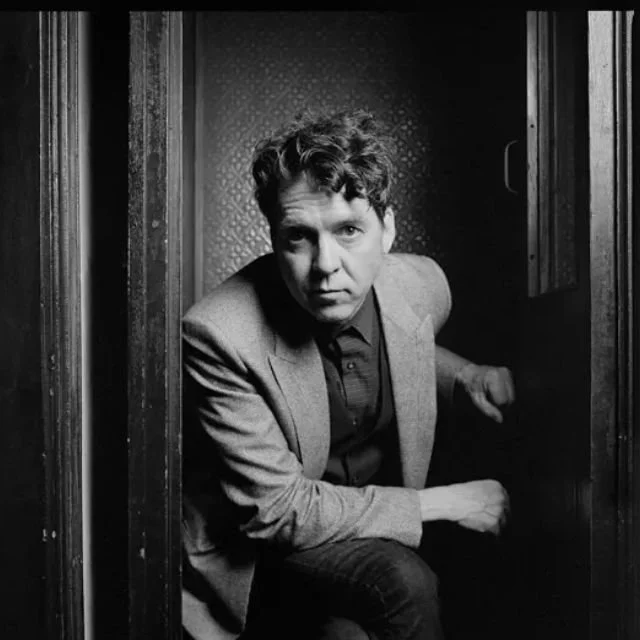

Jim Keller started in the music industry as part of Tommy Tutone, writing the hit '867-5309/Jenny', then the bands career sank and he left performing, landing as an assistant and then manager for Phillip Glass, Nico Muhly, Ravi Shankar, and others, before 'retiring' and returning to making music by hosting jam sessions with members of The Black Crowes, Levon Helm's band, The Beach Boys, The Wallflowers, The Lumineers, and more. We talk to Jim about the realities of 'crashing and burning', the business and creative divide, the power of honesty, knowing your role, showing up, and a whole lot more.
Get more access and support this show by subscribing to our Patreon, right here.
Links:
Click here to watch this conversation on YouTube.
Social Media:
All music written, performed, and produced by Aaron Shafer-Haiss.
[00:00:00] Aaron: Hey, and welcome to this week's episode of the Other 22 Hours podcast. I'm your host, Aaron Shafer-Haiss,
[00:00:04] Michaela: and I'm your other host, Michaela Anne. We are on episode 135, and this week we're featuring our conversation with Jim Keller.
[00:00:13] Aaron: jim Keller is a former member of the band, Tommy Toone, and was the writer on the smash hit 8 6 7 5 3 0 9, which I'm sure 98% of you just heard that melody in your head as I read that number.
Sensibly. He said that Tommy Toone crashed and burned and he had a seven year fallow period, at which point he basically BSed his way into, working for Philip Glass and becoming his manager and all poets, within Philip's business, which then he Parlayed into managing Nico Muley, Rachel Portman being involved with a lot of like theatrical releases. he was a co-manager for Ravi Shankar for a while. And then got back into making music and writing and a essentially throwing these jam sessions, which I'm sure, if you have your ear to the ground, you've, heard about, these are jam sessions. First, outside of the public eye, just in a room to make music for the heck of it, with members of bands such as The Beach Boys and the Lumineers, and the Black Crows and the Wallflowers. he would just invite people in and they'd just play and get back to making music just for the sake of making music. in that, in getting back into the magic of making music, Jim started writing it. Jim started making records again and releasing them and, touring. We, touch on this entire span of his career in this conversation.
[00:01:31] Michaela: Yeah. And that's such a interesting breadth of work, especially in where my mind goes because he has this business side of the music industry as well as the musical creative side. we talk about containing multitudes, but how he really separates those as he considers them two different people that he doesn't really want.
To overlap, whether out of necessity or, for function or for mental emotional capacity. we talk about the rebuilding that happens from crashing and burning as well as the magic of songs creating and community and how finding his way back to that was really incredible.
[00:02:10] Aaron: As always, there are topics in this conversation that we touch on, at direct suggestion from the members of our Patreon.
They get advanced notice of our guests. They can ask questions and they can financially support the production of this show. So that intrigues you. There is a link below in the show notes, but I also want to encourage you to please, if you're not already follow this show. Subscribe to this show. On whatever your listening platform is, be it, apple Podcasts or Spotify or on YouTube, because we only have a handful of episodes left this year before we take our little winter recess and we wanna make sure you don't miss all the episodes we have coming up in the start of 2026 because we have some amazing changes coming your way.
[00:02:49] Michaela: So without further ado, here's our conversation with Jim Keller.
I'm Erin.
[00:02:53] Jim: guys.
[00:02:54] Aaron: come to find out, we have a ton of mutual friends and I'm surprised we haven't met
[00:02:58] Jim: Okay.
throw a few out.
[00:03:00] Aaron: Adam Minkoff is a good friend of ours.
[00:03:02] Jim: Oh, no, no, no.
[00:03:04] Michaela: Adam Minkoff. Uh, Tony Leone.
[00:03:06] Aaron: Yep.
[00:03:07] Michaela: Uh
[00:03:08] Jim: Tony this
[00:03:09] Michaela: oh, nice. We, we live in Nashville now, um, but we lived in New York City for 10 years. We went to the new school,
for jazz, and we're musicians obviously started.
[00:03:20] Jim: You're forgiven for the jazz school.
[00:03:23] Aaron: We're still recovering. It's been 15 plus years,
[00:03:27] Michaela: but we also, you and I probably have even more people because you worked with Philip Glass for a long time because I worked at, none such records.
[00:03:35] Jim: Oh God. Okay, so David Byer, obviously Bob, the whole crew then,
[00:03:39] Michaela: Yeah, this is like 15 years ago at this point.
Mm-hmm. So I've kept in touch with a lot of them this whole time. It was a really life changing experience for me.
[00:03:49] Jim: Well, none, none such to me. I was with Philip and other people that I managed.
like 25 years and none. Such was the paradigm
[00:03:56] Michaela: Mm-hmm.
[00:03:57] Jim: like, okay, that's the target. They're doing it right.
how do we steal from their ideas?
[00:04:03] Aaron: Right.
[00:04:03] Jim: you know, creatively, artistically, musically. such great people too. So.
[00:04:08] Michaela: Yeah, it was really for me. 'cause I was at the new school studying to be a vocalist and was planning to just like, nanny or wait tables, whatever, as I figured out my musician career. And then they offered me the job and I was like, well, this would be insane to not, it felt like grad school for, entering the business, artistically and, commercially or business wise.
they were just so informative. Learning from, from all of them. But David also had this crazy, vinyl collection in his office. Okay. And at a certain point, it just became a library for me. So I would come in and he was like, pick whatever you want. And he would tell me about records and,
[00:04:54] Jim: Yeah.
[00:04:55] Michaela: it was just like, like, that's the
[00:04:55] Aaron: part of your job that I miss.
Yeah. Is her coming home with a tote bag with 30 records every other week. It's like, cool, let's check this out. When
[00:05:02] Michaela: I, when I left, when I quit to like start going on tour and pursue my own career, I like came in with a box of records and David was like, oh, wow. I didn't know you had all of those records of mine. So
[00:05:15] Jim: David, there are a handful of friends of mine who, and David is one of them, and there's a few others that if I either get on the phone or we have lunch or something, we just go down a rabbit hole and don't come out, you
[00:05:27] Michaela: yeah.
[00:05:28] Jim: know, why, why are we actually, what are we supposed to talk about?
You know? It's like, oh my God, it's that record and this player on it, and all
[00:05:35] Aaron: Mm.
[00:05:36] Jim: which is so much fun.
[00:05:37] Michaela: So the premise of this podcast,
we started this podcast because. We wanted to bring conversations to light that were happening in secrecy. We felt like at dinner. Like pandemic people start musicians in our community. Everybody felt relieved that all of a sudden they had this space to like live a life and then it was like a slingshot of oh my God, now we're back and we have to get back to like the anxiety ridden hustle of how to build a career and
also look like we're doing stuff.
And then we'd have these conversations at dinners and we were like, why are we not talking about this all more publicly and like helping each other to dig into the nitty gritty of
what it is to sustain creativity and navigate the ups and downs of what it is to build a lifelong career and not just continually look like we've got it together all the
time.
I.
[00:06:28] Jim: No, I get it. because I had a long period between, and I had this band Tommy Ton in the eighties, and then there was, it crashed and burned. And then it was a long time before I started working with Philip and then building this other company that I did. And it was really unattractive.
[00:06:44] Michaela: Mm-hmm. Mm-hmm.
[00:06:46] Jim: people don't talk about that. And I always make a point whenever I'm being interviewed or give a talk, which I do at school sometime, of talking about the reality of how bad it can be and how tough it is. Because, all you see is the up blips.
[00:07:01] Michaela: Mm-hmm.
[00:07:01] Jim: what, what about this part, you know, down here.
So, I think it's really important that people, they hear that because I know it sounds weird, but they don't feel like they're alone. They're the only ones that go through that stuff.
[00:07:11] Aaron: Exactly.
[00:07:12] Jim: especially as musicians. I mean, I know I'm biased, but I just feel like some of the other arts, don't have it the same way that musicians have it.
I think.
[00:07:18] Aaron: Yeah. It really seems like. musician and like such kind of just like we're all lone wolves out here. You know what I mean? It's so self-directed that it can feel isolated and especially like, McKayla and I've been together for so long, especially when we're talking about women in this industry.
It's like they get
pitted against each other, you know? so there's only room for one person,
[00:07:36] Jim: Wow,
[00:07:36] Aaron: know.
[00:07:37] Jim: wow.
[00:07:37] Aaron: but no, what you were saying, it's you know, early on I was fresh outta the new school in New York and a friend drew on a napkin, which now is something I've seen. As a meme all over the internet a lot, but it's like, what success looks like and it's a straight line, from bottom left to upper right.
[00:07:51] Jim: Uhhuh, And then you know what it actually is. And it's just like this squiggly line that's all over the place, you know? and it's like, it's
[00:07:58] Aaron: not just one steady climb.
[00:08:00] Jim: Yeah,
[00:08:01] Michaela: we've had 150 of these conversations, I think, right? And we've talked to, Mary Chapin Carpenter Rodney Crow.
Like we've talked to people who've reached many outward heights of
success. And it still never fails to bring me comfort to hear, oh, it was hard for you too.
[00:08:20] Jim: right,
[00:08:21] Michaela: Like,
yeah.
But you have such a fascinating path because you. Have done so much more than, just play music, which I am really excited to dig into because I also think sometimes we as musicians can pigeonhole ourselves and get like blindly focused on only one path of quote unquote success.
So I'd love to, if you don't mind sharing, I mean, I wanna hear about those seven unattractive years as well,
but like
[00:08:51] Jim: I'm an open book like I said, I feel like it's really important, especially like. Parents come to me all the time because they have a musician kid.
[00:08:59] Michaela: Mm-hmm.
[00:08:59] Jim: I'm,
I'm the only one they know that's a musician. And, you know, I just have to say, look, this is what it is, you
[00:09:04] Michaela: Mm-hmm.
Mm-hmm.
[00:09:05] Jim: hold onto your hat, because he's not gonna be a banker.
It's not gonna look like that. gonna look different.
[00:09:09] Michaela: Yeah, so you started out with a, with a band songwriting, playing guitar and then can you share a little bit how that path, like how it crashed and burned, and then how you then found your way into being on like the management side and I
[00:09:23] Jim: I like, we're it. starting straight at the crash Yeah. part.
[00:09:27] Michaela: You'll get to know quickly that that's my favorite part.
[00:09:31] Jim: Um, Tommy Tutton was the first band I was really in. I always played music my entire life, but I was a carpenter and did all sorts of other things, always playing.
[00:09:39] Michaela: Mm-hmm.
[00:09:39] Jim: I had that band, which was really me and one other guy and different players that changed and we had that wonderful little blip of success, which was fantastic.
[00:09:48] Michaela: Mm-hmm.
[00:09:49] Jim: 8, 6 7 was a great song that I wrote with Alex Call, who was not in the band. And got very fortunate, that things just aligned and then had a wonderful ride with that. And then the ride ended and, it crashed and burned. And I think
[00:10:03] Michaela: Hmm
[00:10:03] Jim: you know,
no one taps you on the shoulder and says it's over, get off at this stop.
[00:10:08] Michaela: Yeah. Yeah, yeah,
[00:10:10] Aaron: it's falling asleep on the train and waking up at Coney Island and being like, oh, okay. We're here. Okay.
[00:10:15] Jim: So I had been in California for years and moved back to the East coast when, you know, no money. I had to sell my house that I owned '
[00:10:22] Michaela: Mm-hmm.
[00:10:22] Jim: run outta money. And, banged around New York with bands getting production deals, love that, production deals at that point you know, doing demos, playing gigs as my own band.
And it wasn't happening.
[00:10:35] Michaela: Mm-hmm.
[00:10:35] Jim: It's like, just because you had a hit, just because you were in a successful band doesn't mean you're entitled to else after that.
[00:10:43] Michaela: Mm-hmm.
[00:10:44] Jim: I wasn't, and I didn't deserve, I don't mean that in some huge way, but the mojo really wasn't there for something special to be happening.
And again, no one taps you on the shoulder and says, this isn't working.
[00:10:57] Michaela: Mm-hmm.
Mm-hmm.
[00:10:58] Jim: a long time and, you know, I had to borrow money from everybody I knew and I was broke, and I was broke for a long time. may not have looked that way to a lot of people, but that's what was really happening.
[00:11:08] Michaela: Mm-hmm.
[00:11:08] Jim: it really, in an act of desperation, I fell upon this situation where I met Philip Glass you want the whole story?
[00:11:15] Michaela: Yes, I would. I would love it, please. Um,
[00:11:17] Jim: I mean, I was literally taking out, job ads in the New York Times and like tracking down like what could I possibly do?
[00:11:24] Michaela: Mm-hmm. is I knew I didn't want to be in the rock and roll world 'cause it was too weird Mm-hmm.
[00:11:29] Jim: to be someone that still was a writer and a singer So I just happened to be helping a friend who was working on an AIDS benefit and I helped her, down the rights for music they were using for dances in an AIDS benefit.
And one of the composers was a Philip Glass. So I was on the phone with Philip's office saying, can we use your music in this ballet for this AIDS benefit? And all of a sudden I called back and Gary wasn't, there. And I said, what happened to Gary? And they said, oh, he got fired. I bullshitted my way into an interview with his manager at the time, and then his lawyer at the time, his producer at the time, and then somehow got through them, which was shocking.
And then sat down with Phillip in his kitchen. And I was 40 years old. I was at least 10 years old than everybody else that was applying. Everybody else were lawyers. I didn't even apply to college, let alone go. I didn't go for one day and I sat in the kitchen with Philip you know, I was more sophisticated than the other people.
'cause
[00:12:27] Aaron: Mm-hmm.
[00:12:28] Jim: and the short version is that I basically said, look, I'll work for nothing. And if you don't like it and it doesn't work out, you don't lose anything. And Philip's eyes lit up. He loved that because Philip did it himself. And
[00:12:40] Michaela: Mm-hmm.
[00:12:41] Jim: you probably know this if you met him.
I mean, Philip came up on his own and, and did it the hard way.
[00:12:45] Michaela: Mm-hmm.
[00:12:46] Jim: And he. Related to that. And I think we got along and then there's the, classic moment where I had to come back as he went on tour and then we came back to kind of the deal and I came back and he looked at me and I was wearing a button down Oxford shirt trying to look as businesslike as I could.
And he looked at me and asked that question that I was so afraid he was gonna ask. He said, you know, Jim, I never asked you do you know anything about my music? And I started sweating under my shirt. I mean, I'll never forget feeling the sweat drip down my chest. And I said, no, I don't. he said, okay, when can you start?
And the thing about that for me is that it says so much about Philip is that at that point in his career, he didn't need somebody else telling him how great he was.
[00:13:33] Aaron: Mm-hmm.
[00:13:33] Jim: he needed somebody that was gonna sort of, some other purpose that he thought somehow I could fulfill for him. And then, you know, he and I ended up being partners and I ended up being his manager.
All those other people fell to the side. And you know, we worked together for 25 years. And so how fortunate was I? How many of those jobs are there,
[00:13:51] Michaela: Mm-hmm.
[00:13:52] Jim: I mean, what three
[00:13:53] Michaela: Mm-hmm. Mm-hmm.
[00:13:54] Jim: don't know. Are there even three? Philip enough of an enterprise that he could afford his own people, because I didn't start out having my own company. He paid me, it was his company. And there aren't that many, arts, however you want to describe them. I hate the word serious composers that can
[00:14:11] Michaela: Mm-hmm.
[00:14:11] Jim: of stable, that kind of situation.
[00:14:14] Michaela: Right.
Yeah.
[00:14:14] Jim: very, fortuitous, certainly.
[00:14:16] Aaron: going backwards in the story a little bit I can imagine, coming from where you we're at with like Tommy Tutton success as a writer, all of that to submitting to want ads and all that in the paper. It was probably quite a bit of, eating
humble pie and
[00:14:30] Jim: humiliating.
[00:14:31] Aaron: Yeah. and then to be able to, sit in front of Philip Glass when after this time you have this really serious perspective of having an outlet, having a job, having something, and having him ask you like, do you know your music?
And then having the wherewithal and like integrity to just be like, I don't,
and just to be honest like, you know what I mean? That That takes a lot. And like you were saying, I bet you he's, saw that and understood that I don't have nearly that success, but I would appreciate that
honesty, I'm sure every alarm bell I do is like, you should probably say yes, be like, oh yeah.
And then go home and study.
[00:15:01] Jim: Or I should have studied in the first place.
[00:15:03] Aaron: Right?
Right. But, but you owned it, you know? And
so to me, like that, that would build trust,
[00:15:08] Jim: Well,
it did. I mean, And then we ended up building a very strong relationship, which we still have, even though we're not I retired about three years ago. But really what I retired and then I got my old job back, which was still available, being an unemployed musician, and it's much more fun
[00:15:24] Aaron: Yeah,
[00:15:25] Jim: an unemployed musician.
[00:15:26] Aaron: Absolutely.
[00:15:28] Michaela: I mean, one of the things that I think about and I learn continuously the grit that is required to keep going in this
career path. sometimes I feel like, you know, we often hear like, oh, talent isn't the determining factor for success. Like talent is like such a small portion of the requirement.
A lot of it is dedication, and persistence, but I think a lot also is the mental fortitude to not let times of quote unquote failure or hard times Not let it inform how we see ourselves in the long term, or how we, take it so personally of like, if I'm failing right now or having a hard time that I'm gonna, take this as information that this isn't my path, or I'm not meant to do this, or I'm not worthy of this.
And just having the mental strength to be like, no, just keep going. Find another way, find a different way, some of us are born with it and some of us have to find it. can you share a little bit, this is why I love the, stories. I'm not that interested in the high times of oh, I was getting all these awards.
I'm interested more in like, how did you endure the hardship what was the mental process of. How you let it change how you felt about yourself or your outlook on life and career and, continuing to put yourself out there.
[00:16:53] Jim: I'm not gonna go straight to what you're asking, but the first thought of mine was, I'm in Austin right now and I'm playing a gig tomorrow night,
[00:17:00] Michaela: Mm-hmm.
[00:17:01] Jim: in last week. Before every gig I go, why am I doing this to myself? know, Am I really any good? that it doesn't really disappear.
for me, it's just something that I somehow manage. Either one of these Chance or New York, it's like there's a billion people who are more talented than I am. And I have to say, getting older really is helpful in some of these things because, it doesn't matter it's what I love doing.
so what entertains me especially as a songwriter, 'cause it starts there and I work with, do you know who Byron Isaacs is?
[00:17:33] Michaela: Yeah. Mm-hmm. Mm-hmm.
[00:17:34] Jim: Well, Byron and I are co-writers. Byron writes, and we have him for over 15 years, you know, so if it starts with me and it makes me happy, and then Byron comes in the room and we finish something and it makes us happy.
And then I go to Adam, whoever it is that's producing me at the time, and it makes us happy. I don't care
but it's like that battle of knowing that that's what's important. But then you get out in the public and it's like, er, this hurts.
[00:17:59] Michaela: Mm-hmm.
[00:18:00] Jim: never gets easy.
I mean, I think for some people they're clearly built more for that, you know, people have bulletproof egos.
[00:18:06] Michaela: But for the rest of us, we just put up a show that it looks like we're bulletproof or we don't put up that shield. I guess I'll ask you a follow up question of what do you respond to yourself with when you say why am I putting myself through this? Beyond just the, if it feels good with my co-writers and my, like tightest circle, that's one thing in my mind, but then why do you do it to yourself to keep putting it out to the, bigger world?
[00:18:32] Jim: I stopped playing for 10 years. When I started working with Philip, I put the guitar down
[00:18:38] Michaela: Mm-hmm.
[00:18:39] Jim: the guitar was like heroin,
[00:18:41] Michaela: Mm-hmm.
[00:18:41] Jim: it was destroying my life at that point. It wasn't getting me anywhere. I had
[00:18:45] Michaela: Mm-hmm.
[00:18:46] Jim: had no life. so I set that aside and I got married. I had a daughter, I was a seriously involved dad raising my daughter.
And then about 10 years in, when I turned 50, I hit a wall. And, I went through, serious depression. And what was so clear to me, eventually was that I dropped and left off one of the things that was the most important thing to me, period in my life. And it was music.
[00:19:13] Michaela: Mm-hmm.
[00:19:13] Jim: So I slowly crawled back in
I mean, I used to run a little rehearsal room and I would go there and sometimes I'd just read the paper 'cause I couldn't even deal with the complexity my emotional connection to music at that point, which had not been helping me.
And I had to kind of fight it. And then slowly I would bring in players who I could be bad with. I started with some real close friends that I could be bad with, and then slowly started, getting back into the groove of it. But I guess that's a long-winded way of saying that. It's because it's so important.
I know that I can't let go of it. it's always been a part of my life and it's always been a huge part of my life. And without it, it's like not breathing.
[00:19:56] Michaela: Mm-hmm.
[00:19:57] Jim: eventually I, I understand that. So then it's just managing how to make it work in some way which is complicated and it's complicated for all of us.
I don't care whether you've had hits or not had hits, as you were just talking about some of the people that you've talked to they're struggling with it the same way Everyone else is struggling with it.
[00:20:15] Aaron: Mm-hmm. Mm-hmm.
[00:20:16] Jim: Do I go on the road again and do I lose money going on the road?
It's also painful going on the road. you know, it's like everybody's got the same challenge. And at the end of the day, for me, it's knowing that when I'm playing. there is nothing like that in the universe for me. When I'm writing and something works magically somehow, it's like, where does this come from?
most people don't have that option available to them.
[00:20:42] Michaela: Mm-hmm.
[00:20:42] Jim: They don't have that thing
[00:20:44] Michaela: Mm-hmm.
[00:20:45] Jim: or writing or whatever it is. And we are so fortunate we have this thing that everybody should and are jealous of,
[00:20:52] Michaela: Mm-hmm.
[00:20:52] Jim: that we can do this thing that is so, fundamentally fantastic.
You know, And there's no drugs involved.
[00:21:00] Michaela: Yeah. Yeah,
[00:21:01] Aaron: exactly.
[00:21:02] Jim: Um,
[00:21:02] Michaela: I like that you said that like guitar was like heroin
[00:21:05] Aaron: to you.
[00:21:05] Jim: it scared. The shit outta me.
[00:21:07] Aaron: yeah. what that kind of clicked for me was, you know, we talk a lot about our relationship to creativity and our relationship to making music, it really is this thing.
And I see throughout these conversations, through conversations with friends that have done this for a while, that when you mix, that drive and that ambition and that dream of like, this is all I wanna do. I wanna play music, I wanna be on stage, I want to have a career so that I can just make as much music as possible and play for people and all that.
It is a really slippery, greased slope to. Essentially a toxic relationship that it is painful. It is. subverting. It is depressing. And, to me it gets to like a toxic relationship when the drive is so strong that you almost like don't pay attention to.
You're like, no, it's fine. It's fine. This is not driving me crazy. This is not extremely detrimental to my mental health, to my physical health sometimes. people kind of go off the cliff, whether it's literally go off the cliff in, you know, whatever, all of those people that were in the 27 club and all of that, or just get to a point that like you're actually moving backwards when you think you're making progress.
You know, trying to drag a boulder uphill while you're sliding backwards, actually. That it's hard to admit that like, oh, this is, not working. Like This
is not good. I need to reevaluate. And so, I know you said like obviously it took time, do you have any more like kind of tangible ways that you were able to get back to that feeling that like just creating was enough on its own?
[00:22:30] Jim: writing has always been key. so that's a huge thing and you guys are both writers.
[00:22:36] Michaela: Mm-hmm. Mm-hmm. Mm-hmm.
[00:22:38] Jim: that,
you know, there's that very special relationship with the heavens that writers have when stuff just somehow falls from the sky
[00:22:45] Michaela: Mm-hmm.
[00:22:46] Jim: you know, it just lights up the
[00:22:47] Michaela: Mm-hmm.
[00:22:48] Jim: like, wow, that magic that happens with that.
that piece of that. And then the thing I do, and I've done for almost 20 years at this point is I have jam sessions every week,
[00:22:58] Michaela: Mm-hmm.
[00:22:59] Jim: one, usually two. literally, that's why I was texting Tony you know, do you wanna play next week when I get back
[00:23:04] Michaela: Mm-hmm.
[00:23:04] Jim: I go in a room with who's in town and play and I don't record anything.
I don't video anything and it's not a rehearsal I try out new stuff. But basically everybody in that room is just playing to play with the intent to not do anything with it. It.
[00:23:21] Michaela: Mm-hmm.
[00:23:21] Jim: And so it, peels away. A lot of that stuff that we feel like we should be doing something, you know, whether it's promotion and Instagram or you know, how do I write a song that's gonna do this for somebody
[00:23:33] Michaela: Mm-hmm.
[00:23:33] Jim: and gets down to the core of just playing and singing
[00:23:39] Michaela: Mm-hmm.
[00:23:39] Jim: I do bring in people.
I don't know. I literally say, someone says, oh yeah, I mean, like literally with you guys. I say, next time you're in town, tell me,
[00:23:45] Michaela: Mm-hmm.
[00:23:46] Jim: I'll call you in
[00:23:47] Michaela: Mm-hmm.
[00:23:47] Jim: well, do I need, do you have to send me something? No, there's no rehearsal, there's no, that's cheating.
[00:23:52] Michaela: Mm-hmm.
[00:23:53] Jim: and we figure it out.
to
[00:23:55] Aaron: Totally.
[00:23:55] Jim: places where I don't have that concern about the career I don't have
[00:24:02] Aaron: Mm-hmm.
[00:24:03] Michaela: Mm-hmm.
[00:24:03] Jim: almost at all anymore because of the stage of my life I'm at. But for
[00:24:06] Aaron: Right.
[00:24:07] Jim: It was about being in the room and also availing that to other people to be in the room where it's just about the music and the players really appreciate it.
I mean, I'm so lucky because I get to play with all these great people. But I think they come in because they know that those are the rules,
[00:24:22] Michaela: Mm-hmm. Mm-hmm.
[00:24:24] Jim: no ulterior motive. I have to say though, it always comes down to songs because those players at that level would not be in that room with me if I didn't have songs.
Because I just count stuff up and start playing it. They don't need to know it, but they'll hear it. you know, if you have a song, a player knows it,
[00:24:42] Michaela: Mm-hmm.
[00:24:42] Jim: the difference between something that works and something that doesn't quite. So I think that's really important. But I think the core of it though is that finding those places where it's not about success.
You
[00:24:53] Michaela: Yeah. Yeah, is this other ephemeral thing. That nobody controls and nobody owns, and it's all yours.
yeah.
I think one of the trickiest things is how we protect that connection that we have. To creativity, to music, and because the scale of what those outside influences or outside judgements are, they're different anywhere you go. It could be, on a Grammy level or playing arenas, or it could
be just like your friend community.
I've been fascinated by I'm currently in a master's program studying the psychology of creativity because my fascination has gone so deep on kind of the emotional, psychological side of all of this, but how essential creativity is for all of us and how transformative and magical it can feel, I continually see how it's also such a source of pain for all of us.
Mm-hmm. At any given time like, I do like songwriting coaching. And some of my students are pursuing it on a professional capacity. Some are neurosurgeons
and just
have this love for it.
[00:26:00] Jim: Yeah.
[00:26:00] Michaela: a source of pain for them too. Whether it's, somebody heard my song and didn't tell me it was a good, or I really wanna write, but I can't, like there's just this thing.
So I'm always curious about, the different layers of that, of like how to open our channels so it's not a source of pain because we feel blocked. And also how to protect ourselves from like always putting the power in others' hands. just because of our. Connection with none such.
Like I remember, you know, I was in my early twenties, right OUTTA school. So Insecure, hadn't found my like voice as a songwriter or musician. And Bob Hurwitz, the president of Nun such was like on such a high pedestal in my mind because also I am, you know, a marketing assistant at this record label where we're working with artists who are like Philip Glass and Chris Thy and John Adams and like these Virtuo, players, which I knew from a young age that I was not, I'm a songwriter, I'm not a Virtuo instrumentalist, anything.
And I just remember, like I put out my first record when I worked there and I invited everyone in the office except for Bob. And I
went in and I know, I know I invited David. David came I was just so nervous because I put so much on Bob's opinion,
[00:27:23] Jim: Yeah.
[00:27:24] Michaela: I went into his office and I talked to him about it, and he was like, Mikayla, I understand.
Like, you know, I was like a kid essentially. And he was like,
I get it. And like on a just like relational level, that would've been nice to be included. But
he's like,
also, I know who I am. I know I would probably have to wear a bag on my head and like, he was like such a symbol to me of having to progress in life and get to a place where I was making music for myself and not vying for the approval of someone like
him.
But I remember I've had a couple reviews in the New York Times and I got an email. From Bob and he just said, beautiful review in the times of your new record. And I was like, that was it. As much as I've worked to try and not need that,
[00:28:11] Jim: Yeah.
[00:28:12] Michaela: that,
[00:28:12] Jim: it?
[00:28:13] Michaela: that fulfilled it. Yeah. But I,
I think it's really hard to come to terms with your heroes might not like what you do, and you still have to love what you do,
[00:28:22] Jim: Yeah.
[00:28:23] Michaela: and like, not put that power in other people's
hands.
[00:28:26] Jim: I don't know how to not, I think
[00:28:28] Michaela: Yeah.
[00:28:28] Jim: some people that again, are bulletproof. I'm not one of those. I may act it
[00:28:32] Michaela: Mm-hmm. Mm-hmm.
[00:28:34] Jim: but I think just the artist that you thought Philip was bulletproof,
know, he didn't give a shit what anyone thought Mm-hmm. Mm-hmm.
of fact, if they trashed him, was made it even better,
But that's just that side of it. But I think a lot of us, what we're doing is we're exploring our own vulnerability with our music and we're putting ourselves out there. And when you put yourself out there, inherently there's a risk that's involved.
And frankly, for me, if there isn't a risk, then I'm not quite doing something I should be doing.
[00:29:05] Michaela: Mm-hmm.
[00:29:05] Jim: is just for me, and I think singer songwriters in general,
[00:29:09] Michaela: Mm-hmm.
[00:29:10] Jim: is a part of our job is to explore that. And for me, if I mean, I just write some songs that are just bluesy songs and that's fine.
But 90% of what I'm doing, and whether I'm doing with Byron or on my own, is putting a piece of myself open flesh in there. It may be hidden may be disguised, but for me, it's there.
[00:29:31] Aaron: Mm-hmm.
[00:29:31] Jim: so inherently in that process it's, you're making yourself vulnerable. And so I don't have, I don't have not to do that.
I think that has to be part of it, you're laying yourself bare in some way that maybe no one sees any of this stuff. But as an artist, I remember, do you know Chris Masterson, the guitar player?
[00:29:48] Michaela: Yeah. Mm-hmm. Mm-hmm.
[00:29:50] Jim: played with me years ago and I learned something from Chris.
He used to get pissed at me if I pulled punches. In other words, if I didn't go for it and Chris would just jump off the. And I this to him. You know, there's a long time ago that basically if I'm not leaping off the cliff, I'm not doing my job to myself. I'm doing a disservice to the gods
by not risks and going forward.
And I think that, again, if you don't do that, I mean, that is just part of what we're
[00:30:18] Michaela: Mm-hmm.
[00:30:18] Jim: Most artists in general, and certainly most musicians, I think.
[00:30:22] Michaela: Mm-hmm.
[00:30:23] Jim: don't know how you avoid being insecure in some way, and having to deal with a balance of those things.
[00:30:30] Aaron: Yeah, I mean, I think it's kind of a cliche thing, to me it's like that's what makes artists brave. You know? It's not like, somebody like in, in my perception, like Philip Glass, that is bulletproof. Like obviously he's brave. The art that he's made, the path that he has caught.
He's such a unique voice. But, this idea of like, these bulletproof artists aren't necessarily as brave to me as some of these other people that have deep insecurity and do it anyway, and
run towards that and,
[00:30:55] Jim: right. That's right.
[00:30:56] Aaron: put it out there.
[00:30:57] Michaela: so you went on to also.
Manage, other artists
besides folk glass? Can you correct, just 'cause I don't always trust the internet? Who Some of those artists rufuss, Wayne
Wright was one of them. for a couple of years, but that wasn't a primary for
Okay. Mm-hmm.
[00:31:11] Jim: It started with Nico Muley.
And Nico I hired him to work in my office.
[00:31:16] Michaela: Mm-hmm.
[00:31:17] Jim: Uh, he was a friend of a friend of a friend of mine. He was living at their house and I learned very quickly that he was incredibly talented.
[00:31:23] Michaela: Mm-hmm. went from filing to he moved on.
Mm-hmm.
[00:31:27] Jim: and published Nico and then Rachel Portman, I dunno if you know that, who she is.
[00:31:31] Michaela: I feel like I know her name.
[00:31:33] Jim: film scores a
[00:31:34] Michaela: Mm-hmm.
[00:31:34] Jim: did classical, you know, shock a lot and bunch of movies. Robbie Shankar I
[00:31:38] Michaela: Mm-hmm.
[00:31:39] Jim: and I was Robbie's publisher and kind of co-manager for a long time.
And I have to say that was an amazing opportunity for me to be able to spend time with him. 'cause he was basically the coolest guy I ever knew. He was the Yoda and, strictly classically trained, brilliant and an improvisational wizard. a ladies man
[00:31:59] Michaela: Mm-hmm.
[00:31:59] Jim: totally frank about all of it.
that was a relief I felt very fortunate to spend time with. And I worked with Tom Waites. I worked with Rufus really? 'cause it was at a point in his career where he wanted to focus as much on his classical writing and operas as his pop stuff. And so, because I knew both of those areas
we worked together for a few years.
It was all people that did varied things. In other words, it wasn't just classical or just film or just pop. because of working with Philip and I understood ballet, opera, film commercials, pop records, touring, everything.
'cause I had to.
so there were people that tapped into a lot of those different worlds that it worked, it made sense.
[00:32:40] Michaela: I'm curious how working on that side and getting to know not just those artists on a certain sphere, but also knowing the ins and outs of their careers and the challenges that they face and the wins that they face. How, if at all, that informed or influenced your relationship to your own musical work as well as musical career?
[00:33:03] Jim: Yeah, no, I get asked that question a lot, and it's a very boring answer in that there's very little connection,
[00:33:08] Jim: that is a whole other side of my brain.
[00:33:11] Michaela: Mm-hmm. Mm-hmm.
[00:33:11] Jim: a whole other person
[00:33:13] Michaela: Mm-hmm.
[00:33:13] Jim: am which is completely different from the person that goes into the room and picks up a guitar and writes a song.
They're almost polar opposites in a
[00:33:22] Michaela: That's actually a fascinating answer to me 'cause that's not what I expected. Mm-hmm.
[00:33:27] Jim: I mean, I didn't put any gold records in my office.
I had nothing in there about myself
[00:33:32] Aaron: Mm-hmm.
[00:33:33] Jim: was all about them.
[00:33:35] Aaron: Did you feel imposter syndrome ever on the management publishing side?
[00:33:39] Jim: Oh yeah. Okay. Okay.
mean,
I'd be sitting in meetings, you know, with people who end up being good friends, you know, like Peter Gelber and the
[00:33:47] Aaron: Mm-hmm.
[00:33:48] Jim: Opera in New York and area, and with me, Peter and Philip, I don't know what the hell they're talking about. What am I, What am I doing in this room? But I didn't bullshit anybody.
for instance, Peter is a good friend and I think when I came into his office, I could see him physically go, oh God, at least I don't have to bullshit. You know, He could relax. In other words, I didn't pretend to know about the opera world other than what I needed to know,
[00:34:13] Michaela: Mm-hmm.
[00:34:14] Jim: make things work.
And that was really my job was how do I make things work?
what does Philip wanna do? then how do I make this work for Philip? And my job was to figure out how the other parties, what they needed so that they felt like it worked for them as well. you know, a lot of what I did was figure out what are other people's needs?
[00:34:31] Michaela: Mm-hmm. how do I balance that to try to make this work for everybody? the one thing that I do say is that, you know, Philip gets asked question often about, what do I do? How am I successful? what can you tell me? What did you do? And he says, I get up every morning and I work hard.
[00:34:47] Jim: And there is that piece of that I always say as a songwriter, if I don't go to that room,
[00:34:54] Michaela: Mm-hmm. Mm-hmm.
[00:34:55] Jim: that nothing is gonna happen unless I'm in that room with a guitar in my hands, and I can then avail myself to hopefully something coming outta the heavens.
But you have to go there and you gotta go there a lot. And it's not easy. It's painful. The only people have it worse than us, I think, are people that are writing novels,
[00:35:12] Michaela: Mm-hmm.
[00:35:12] Jim: can't comprehend. I
[00:35:15] Aaron: Yeah. We've, we've had some writers on here and just the timeline of
a, creating the art, but then releasing the art is such an astronomical timeline when you're used to It's so stretched out. Yeah. Make writing songs and making records,
it's like. You can write a song, whatever you write another, then two years later you get hammered.
[00:35:33] Michaela: Mm-hmm. Yeah.
[00:35:37] Aaron: before we run away from it, you said like obviously you had imposter syndrome when you were, in those, meetings,
given how you entered that world the business
side,
was there a period of, I guess, like brackish water from that hurt and struggle of your musician self when you hung up the guitar and all of that pain that you're feeling I would assume there was probably some anger involved, full assumption there, but whatever the remnants of, I had this successful career that crashed and burned and now I'm doing this business thing, was there an overlap of kind of like. I guess resentment towards having to do something else, or were you just grateful for this new
opportunity? it was beyond resentment because there were seven years
[00:36:18] Michaela: Mm-hmm.
[00:36:19] Jim: Purgatory.
[00:36:20] Michaela: Mm-hmm.
[00:36:20] Jim: by the time I got to the end of that seven year run the resentment there wasn't room anymore for it anywhere.
[00:36:26] Aaron: Mm-hmm. Mm-hmm.
[00:36:27] Jim: was something else.
[00:36:28] Aaron: It was like full ego death before
that, essentially. Mm-hmm.
[00:36:31] Jim: I think that for me it was, and I always, I say this and it sounds ridiculous, but I think for artists, it was an act of desperation for me
[00:36:38] Michaela: Mm-hmm.
[00:36:38] Jim: crawl out of that hole.
And it's a hole, you know, it's like being a drug addict
[00:36:43] Michaela: Mm-hmm.
[00:36:44] Jim: to crawl out of that hole. And, and then I just had to work as hard as I could to try to understand, how can I make this work? I could get health insurance, you know, I could a family, and, like I said, I stopped for 10 years and, uh, my wife didn't marry a musician, which got problematic a
[00:37:01] Michaela: Mm-hmm.
[00:37:02] Jim: the
[00:37:02] Michaela: Mm-hmm. Oh, yeah.
[00:37:03] Jim: she inherited one, and then it was like, where are you going? What, What are you doing?
[00:37:08] Michaela: How late are you staying out? Yeah.
[00:37:11] Jim: um, didn't you just do that? You
[00:37:14] Aaron: Yeah.
[00:37:14] Jim: Um,
yeah. I mean, You guys are you don't have that issue. You have your own,
[00:37:19] Aaron: Yep.
[00:37:19] Jim: that one.
[00:37:20] Aaron: Yeah. No, this we knew what we were getting.
[00:37:22] Jim: yeah,
[00:37:23] Aaron: Yeah. Yeah.
[00:37:23] Jim: so I mean, that, it was just, challenging for a myriad of, of its own reasons
[00:37:27] Michaela: Mm-hmm.
[00:37:28] Jim: the insecurities, because I didn't, I had to learn.
There was no one teaching me. There was no one in the office with me.
[00:37:33] Aaron: Mm-hmm.
[00:37:34] Jim: I was in a room by myself and I had to figure it out. There wasn't even a computer in the room when I got there.
[00:37:40] Michaela: Mm-hmm.
[00:37:40] Jim: It was at the studio, but everyone just ignored me.
[00:37:44] Aaron: how was that feeling of like, you have these artists here
[00:37:46] Jim: it was
[00:37:47] Aaron: creating and then being ignored when you
used to be on that side?
[00:37:50] Jim: I'm down the hall and there's, you know, David Byrne and, byron and Adam and whoever it is down there yucking it up.
[00:37:57] Michaela: Yeah.
[00:37:58] Jim: the guy, I'm not literally wearing a suit, but I'm the suit
[00:38:01] Michaela: Yeah. Mm-hmm.
[00:38:03] Jim: it was weird. it took a long time, but I think because I was so, desperate whatever you want to fill that blank in with I kept that to the side because I knew I had to work really hard to try to make something work for myself
[00:38:14] Michaela: That identity stuff though, is so interesting to me because it's painful when like, how we see ourselves or have seen ourselves doesn't align with how we're, we think we're being seen in the room.
[00:38:25] Jim: or how you are being seen in Well,
[00:38:27] Michaela: Exactly. I think it's so interesting. I've kind of tried, because again, when, I worked at Nonesuch, I was always grappling with, I didn't plan to work in an office.
I'm a musician. I literally just graduated from music school and now I am a marketing assistant and getting coffee in these meetings and like, had like relationships where that's how people knew me, but I wanted so badly to be seen in this other way, but then was insecure that they were thinking I was this like little, eager puppy.
Like, but I actually play music and
it fucked with my head so bad for a while of like, wait, no I let how I was being seen, change how I saw myself. And that's, the trick of like, wait. Also, maybe the goal is like not to really focus on it so much of just like, I can do this and I can do this. I can be good at an office job.
And also good at making music that it's not one or the other. And I think culturally and societally we're fed this idea that it is one or the other, that if you're good at business or organization, then you can't possibly be an artist. And vice versa. And I think we both have learned over the years and part of these conversations is also like, that's so, just limiting and it's, not true.
There's so many ways to be all of the things.
[00:39:45] Jim: I have to say not sure
[00:39:48] Michaela: Oh, okay.
[00:39:49] Jim: I am two different people or more. And it's like that is one person that can do that and then this other person does this. I mean, I deal with this a lot. It's like, especially when I stopped working, quote unquote when I kind of retired. It's like when you go to the dentist, you don't really want your dentist going, Hey, you know, I've been playing the drums recently and I was wondering if you could listen to my demo tape.
it confuses people people from my business career when I, sent a notice saying I've got a record coming out. really know what to do with that
[00:40:21] Michaela: Yeah. Mm-hmm.
[00:40:22] Jim: isn't who the Jim Keller is that they know
it's confusing for them.
which is understandable.
[00:40:26] Aaron: Mm-hmm.
[00:40:27] Jim: know, for me it's, is something I think about because it still comes up now. You know, I went from walking in the front door of the Met I go through the kitchen
[00:40:35] Michaela: Mm-hmm.
[00:40:36] Jim: the play the gig.
it is different.
[00:40:38] Michaela: but still you,
that's the thing is like, I think we're kind of saying the same thing
of you. have compartments and also to function within the, setups of business. You operate in that way, but they're both still you.
[00:40:51] Jim: Yeah, that's true. But it feels a little schizophrenic.
[00:40:54] Michaela: Yeah.
[00:40:54] Jim: I
[00:40:55] Michaela: Mm-hmm.
[00:40:55] Jim: My, family laughs at me because if I'm on the phone it'll be like, okay, yeah, no, I can work on that. I'll get that Thursday. Okay, great. And then the next goal, yo man, what's happening?
[00:41:08] Aaron: Yeah.
[00:41:09] Jim: And my wife and my daughter are just laughing they know what's you know, what
[00:41:15] Michaela: you're,
[00:41:16] Jim: I'm in.
[00:41:16] Michaela: yeah you, you're code switching.
That's what that is. Yeah.
[00:41:20] Jim: But like I said, being an unemployed musician is much more fun
[00:41:24] Aaron: Yeah,
[00:41:25] Jim: than having a day job.
[00:41:26] Aaron: yeah,
[00:41:27] Jim: I mean,
what an incredible community. Sorry, I don't mean to go off on this, but, you
[00:41:31] Aaron: No, please.
[00:41:32] Jim: mean,
I deal with this, like I say, with the jam sessions it's insane to me what an incredible world of people we have musicians that, I get to be in a room with especially I see this in Nashville and of course I'm used to it in New York.
But it's just so supportive and there are just so many, great players. It's just such an amazing community I feel so fortunate to be able to be a part of that, you know, and I feel, bad for other people that don't have that.
[00:42:00] Aaron: yeah. What I'm really intrigued by is I've been aware of you for a few years,
through our mutual friends and through my admiration for musicians that you share the
stage with. did you ever have imposter syndrome coming back to it, inviting these people to jam sessions?
Because I think it's very, a common feeling, at least the community, people we know that it's like, Oddly Free is a big name here in Nashville. He's really respected. been on stage with him a handful of times, but people are always like, Man, oddly is playing like, cool, I got to play Zeppelin with oddly at Brown's Diner.
You know, I was like this, this is, this fun, but also, who am I to be faking my way through John Bonham on stage with Ali
Free?
[00:42:35] Jim: right.
[00:42:36] Aaron: Like, you know, But that whole thought of like, well, who am I to ask this person to be a part of it? did you feel that
[00:42:42] Jim: Well, all? was a very gradual process. Like I said, when I started, you know, when I was 50
[00:42:47] Michaela: Mm-hmm.
[00:42:47] Jim: in my seventies now,
[00:42:49] Michaela: Mm-hmm.
[00:42:49] Jim: and I started playing, then I asked guys who I could be terrible with and, you know, gradually I was able to improve the
[00:42:56] Michaela: Mm-hmm.
[00:42:57] Jim: pool.
really feel that way now.
I don't think there's anybody that I would bring in the room that It's not a self-confidence. I don't know what it is. I think I've just been around enough. And also I think there's, again, one of the benefits of being older is I don't have anything to lose. you know, My pride isn't locked up in it.
I'm
[00:43:14] Michaela: Mm-hmm.
[00:43:14] Jim: a major record deal. I'm not, I'm not gonna have a, you know, it's like why
[00:43:18] Michaela: Yeah.
[00:43:18] Jim: this?
it makes it easier. But I think also working your way up and when you have someone, like oddly, pulls other people in,
[00:43:26] Michaela: Mm-hmm.
[00:43:26] Jim: as I
[00:43:27] Michaela: Mm-hmm.
[00:43:27] Jim: in Nashville for instance.
then, you know, the word gets out is like, I mean, all these people I play with in New York, they're all ridiculous, and they're so talented I think people know about it. I mean, I don't know what you heard, but
[00:43:38] Michaela: Mm-hmm.
[00:43:39] Jim: the jam sessions anyway,
[00:43:40] Michaela: Mm. Mm-hmm.
[00:43:41] Jim: people enjoy it. So it makes it a lot easier if, if someone isn't having fun, then I'm doing something wrong,
[00:43:46] Aaron: Yeah. Yeah. I mean,
And like you said, like if you have, the songs, you know what I mean? there's
something about like
having the songs and then just, I'm sure the energy that you bring your identity isn't completely wrapped up and what is
happening in this room right here and there. at least for me, how I would respond to that is oh, I can just take a deep breath. It invites me into play
it, You know? Yeah.
[00:44:07] Michaela: Yeah. It's also like relationship based. It's like, people that we can be like, oh my God, they're so great because they are remarkably talented and maybe also like the gigs that they have, but like, when you have relationships with each other and it comes down to like, oh, everybody just at their core wants to play music.
It doesn't matter. We just wanna get together and play music. we had a, live performance shoot yesterday that Aaron was like producing, but it was for me, and we like went out to this cabin and I was, it was one of those days where like, you know, you have your grind of life and children and you're just like, oh my God.
It's like, so, and then you have a day like that where I was just like looking around at, I was like, we just get to play music all day. Like,
[00:44:47] Jim: know.
[00:44:47] Michaela: This is so cool, but I try to always ground in like the magic of songs They are like the soundtracks to our lives. there's so many magical moments and I know we're about to wrap up with our last question, but I just wanted to tell you like your song 8 7 5 3 0 9,
[00:45:06] Jim: you got it wrong.
[00:45:10] Aaron: tell me how important the song is that you butcher the name.
[00:45:16] Michaela: what is it? What is the 8 6 7 5 3 8 6 7 5 3 0 9. Okay.
[00:45:20] Jim: okay.
[00:45:20] Michaela: So my memory is my dad was a submarine captain in the Navy. And I grew up moving all the time.
And when I was like in fifth or sixth grade, they had boat party. My dad was the captain of the boat the officer, the captain, they hosted a party at our house.
So it was like all these sailors and their wives. 'cause back then it was like only men on the, on the ship. And we had one of those houses where the, upstairs, Had like a balcony. And I just remember being upstairs and then watching them get drunk. And
by the end of the night, I just remember them blasting that song and peeking over the balcony and watching my mom and dad who were like, my dad was an officer, my mom was the officer's wife.
So they were like, I always heard stories about like, my parents were high school sweethearts, just like how they were the life of the party. They were so fun. And I was like, I don't know those people. And I remember peeking over the balcony and seeing them dancing and laughing with all the other shipmates and their wives to that song.
I don't remember any other music that whole night, but that song,
[00:46:26] Jim: Wow.
[00:46:27] Michaela: the ripple of meaning that songs can be a part of in our life is. Just endlessly
interesting to me.
[00:46:34] Jim: a beautiful short story right there.
that is so cool.
[00:46:37] Michaela: Yeah. I'll see my mom's reflection, like dancing in the, floor to ceiling windows that we had, like doing her dance, like laughing, singing that song.
I'm like, whoa.
[00:46:48] Jim: Uh,
[00:46:48] Aaron: Yeah. Well, As Mikayla said, we like to wrap up all of our conversations with the same question. And it, it's a choose your own adventure on your end. So it can either be something that somebody has shared with you or said to you over the years that still resonates and fills your, cup inspirationally, creatively or something that you wish you knew at 20 when you were first stepping into making a business of your creativity.
[00:47:14] Jim: Wow. That's a hard question.
it's the same answer. I wish I had, had someone
to tell me
[00:47:20] Michaela: Mm-hmm.
[00:47:20] Jim: and I didn't.
[00:47:21] Michaela: Mm-hmm. And I never had person that could guide me on this path.
[00:47:28] Jim: I wish I had had that person. I had wonderful parents and I had a dad who didn't go to college either,
[00:47:34] Michaela: Mm-hmm.
[00:47:34] Jim: a self-made guy, and he taught me to figure it out, whatever it is you're gonna do.
But there was nobody in our planet that was a musician.
[00:47:43] Michaela: Mm-hmm.
[00:47:44] Jim: I would've loved to have had somebody that could say, you can do this.
[00:47:49] Michaela: Mm-hmm. Mm-hmm.
[00:47:51] Jim: you know, if I have to think back about something that would've been nice to have had, it would've been that
[00:47:56] Michaela: Like a mentor.
[00:47:57] Jim: Yeah, there wasn't anyone around,
[00:47:59] Aaron: Mm-hmm.
Mm-hmm.
[00:48:00] Jim: the suburbs in New Jersey and, you know, if I wanted to start a real estate career with no problem,
[00:48:04] Aaron: Mm-hmm. Right,
[00:48:05] Jim: or something,
[00:48:06] Aaron: right.
[00:48:07] Jim: uh, you know, no one knew a musician.
[00:48:09] Michaela: At this point though, if you had had that person now being in your seventies and living the life that you've lived, do you know what you would've, hoped that person would've
said to you? Absolutely. I think that if I had been fortunate in that way, and maybe it's just impossible 'cause I am who I am, it, somebody could have said that, you know, you could stay with this earlier. 'cause I think like when two tone self-destructed, I bailed, I didn't really figure it out.
[00:48:33] Jim: And I think I, if I had had. A little guidance at that point. I would've been able to have built a career,
[00:48:40] Michaela: Mm-hmm.
[00:48:41] Jim: that had legs at that point
as a songwriter or whatever it was. But I, didn't really have that ingrained thing that this was really a path that really was gonna work
[00:48:50] Michaela: Mm. Mm-hmm.
Yeah.
[00:48:52] Jim: And, you know, I'm always envious of, people I meet I just did Lily when we sits in and sings when I'm
[00:48:58] Michaela: Mm-hmm.
[00:48:58] Jim: the live like, and I'm
[00:48:59] Michaela: We know Lily.
[00:49:00] Aaron: Yeah. Yeah.
[00:49:01] Jim: okay,
[00:49:02] Michaela: pretty cool.
Mm-hmm.
[00:49:03] Aaron: Yeah.
[00:49:03] Jim: know, your role model. So I have envy of, people that grow up with that in their house.
[00:49:09] Jim: that would've been different, I think.
[00:49:10] Aaron: Yeah, that resonates with me. My parents weren't, I grew up in a small town in Maine,
[00:49:14] Jim: did you have somebody anywhere?
[00:49:16] Aaron: not, not specific. I mean,
My parents, you know, would support me. You know, They'd drive me an hour each direction to take lessons and stuff.
[00:49:23] Jim: That's
[00:49:24] Aaron: I,
[00:49:24] Jim: same thing.
[00:49:25] Aaron: I found a boarding school, an art school that I went to at 16 and they were
like, cool. It is called in Arts Academy.
It's in, in Michigan.
[00:49:32] Jim: yeah,
[00:49:33] Aaron: So I had a friend that went there for writing and I was like, oh, they have music.
And I was like, this is what I need. The options were like to go there or to start driving to Boston to take lessons, which is like three and a half hours. And my
parents were like, cool, if you, get in
[00:49:43] Michaela: but also like parents who weren't in this business or adjacent right?
aren't like. Yes. This is like an absolutely viable path. You ride the ups and downs. Mm-hmm. Like Lily Hyatt is a friend of ours,
John Hyatt's daughter, and she's been on the podcast and talked about how she grew up seeing the ups and downs of a music
career, it's Right. And that it's work and that also you can have a family, the different options of the ways you can pursue it, and also riding the waves.
[00:50:10] Jim: Yeah.
[00:50:11] Michaela: So
[00:50:11] Jim: make it easy, but I think that the rest of us, there's always this little thing that says, who are you kidding?
you can't do that.
[00:50:17] Jim: I think that probably they have their own issues, obviously, that they deal with in their life, but that one that I feel like I've always had, is that well, what are you talking about?
You're not gonna be a musician.
[00:50:27] Michaela: Mm-hmm.
[00:50:28] Jim: that doesn't really go away. Completely.
[00:50:31] Michaela: man. Well, thank you so much.
This has been such a
[00:50:34] Jim: guys.
[00:50:34] Michaela: likewise. Yeah.
Thank you. And I'll, get us all connected. And we'd love to meet in person
next time you're in town and whenever we're in New York.
[00:50:42] Jim: even if it's just coffee or whatever
[00:50:43] Aaron: Perfect.
[00:50:44] Jim: Yeah.
Nice
[00:50:45] Michaela: you
so much. Nice meeting you too, Jim. Thank you. Bye.