
The Other 22 Hours

Max Wanger on listening to the lull, asking questions, and staying curious.

Episode Summary

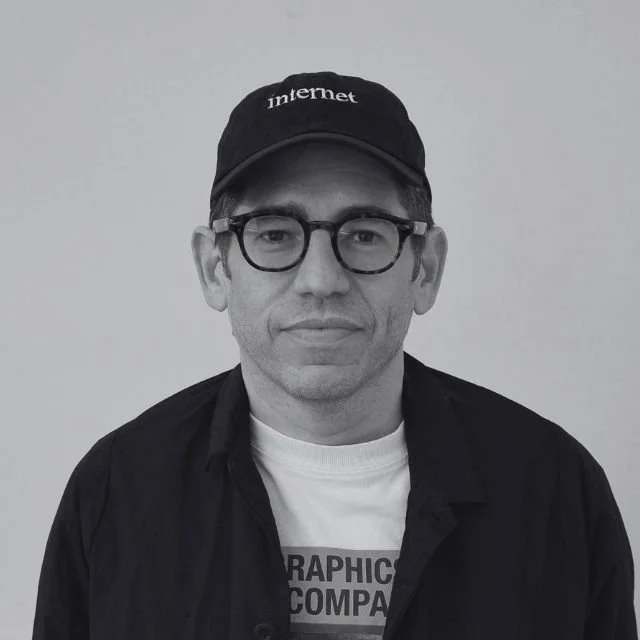
Max Wanger is an LA-based photographer who has shot the likes of Taylor Swift, Mandy Moore, Blake Mills, Glen Hansard, Madison Cunningham and past guests of ours Lucius, The Watson Twins, and The Milk Carton Kids, as well as Conde Nast Traveler, Virgin Records, Vans, Nike and many many more. We talk to Max about listening to the lull, doing jobs that pay the bills while protecting play and soul in the work, imposter syndrome, admitting what you don’t know, and how vulnerability deepens community, the long arc of following what makes you happy, and so much more.

Episode Notes

Max Wanger is an LA-based photographer who has shot the likes of Taylor Swift, Mandy Moore, Blake Mills, Glen Hansard, Madison Cunningham and past guests of ours Lucius, The Watson Twins, and The Milk Carton Kids, as well as Conde Nast Traveler, Virgin Records, Vans, Nike and many many more. We talk to Max about listening to the lull, doing jobs that pay the bills while protecting play and soul in the work, imposter syndrome, admitting what you don’t know, and how vulnerability deepens community, the long arc of following what makes you happy, and so much more.

Get more access and support this show by subscribing to our Patreon, right here.

Links:

Click here to watch this conversation on YouTube.

Social Media:

All music written, performed, and produced by Aaron Shafer-Haiss.

Episode Transcription

[00:00:00] Aaron: Hey, and welcome to this week's episode of the Other 22 Hours podcast. I'm your host, Aaron Shafer-Haiss,

[00:00:04] Michaela: I'm your host, Michaela Anne, and we are on episode 134, and this week our guest is the photographer Max Wanger.

[00:00:13] Aaron: max currently lives in LA and he has shot for a whole long list of people and different brands, including Taylor Swift Nike, apple, Virgin Records.

[00:00:24] Michaela: Target. Nordstrom AD is

[00:00:25] Aaron: Allbirds. I'm just skipping around a giant list here. Um, he's also shot quite a few of our former guests, including Lucius, the milk carton kids, the Watson twins and.

In addition to all of that, max has a cool project, that he did last year called 24 and 24, which is 24 musicians in the year And, he's currently in the midst of 25. In 25. So keep an eye out for that.

[00:00:49] Michaela: Max is our first photographer that we've had on the podcast, which is to me just continually surprising how interesting it is to dig into other creative endeavors and career paths, and kind of finding the parallels from the world that we're familiar with.

We got to talk about listening to the lull. There's always a lull when you're a self-employed freelancing artist, and instead of that panic. What we can do with that time. We talked about the power of really being vulnerable and asking questions, reaching out to our community, asking the things that we might be judging, we should know by now.

And doing what scares you as well as what makes you happy. Really trusting when you follow doing the thing that makes you happy.

[00:01:31] Aaron: Along the lines of reaching out to your community, we do so via Patreon and, We give you this show, we give you advanced notice of our upcoming guests.

So you can ask questions of them, you can give us topics you want to touch on, angles that we should approach and you also get the immense satisfaction of knowing that you financially support the production of this show. So if you would like to be a part of that community or see what it's all about, there's a link to our Patreon below in the show notes.

[00:01:58] Michaela: And if you're a visual person, this and all of our past conversations are available on YouTube. But without further ado, here is our conversation. with Max Weger.

Thank you so much for joining us.

[00:02:10] Aaron: we're excited because I'll let you know, I reached out to a friend of mine who's a professional photographer and she was like I don't really like podcasts and I don't think a lot of my photographer friends do either. Like, all right, so how do you feel about podcasts?

[00:02:26] Max: I've done a couple, but it's been a long time. I love listening to them.

I think there's a reason photographers are behind the camera.

[00:02:33] Michaela: Mm-hmm. Mm-hmm.

[00:02:34] Max: it's a way for us to stay kind of hidden and observe. So being in front, like this is a little at least for me, it's not the most comfortable, but it's good to do the hard things.

It's good to be nervous and uncomfortable and yeah, it's always great to have a conversation. So.

[00:02:52] Aaron: I feel the same. I spent years on the road as like a drummer side man. Now I produce records where in my studio, in our backyard. And so I'm very much the same, like very much behind the scenes and it's. Been a learning curve, but the saving grace for us is always at like. is funny, like we say, we're not journalists.

Like I'm, you know, I'm a working producer, Mika's a working senior songwriter, but like, we've also done 135 of these. So like, there's part of us that this is kind of what we are now too. But it really is like we pride ourselves in it being just that, just like a conversation we would have, like, you know, around a dinner table kind of thing. And like a lot of our audience are other creatives and all of that.

[00:03:25] Michaela: yeah. your response just. It sparked a question that I'm excited to dig into, but first, we always like to start with just a, how are you and where are you physically and creatively.

[00:03:36] Max: I am trying to get better at the, how are you question because the automatic response is good. How are you? And I've tried to really kind of take a pause and go, wait, do you wanna know how I am Really?

[00:03:48] Michaela: we should specify. It's a how are you really questioned?

[00:03:51] Max: yeah. 'cause I think that part of it, the really part I'm okay. today's good. But overall, I mean, it's been, in terms of work and work life balance, it's been hard. And we're, I think, continually trying to figure all of that out. But where I am, as far as in my career and how old I am and all the things, it's just, I'm just trying to navigate, this path that feels a little bit hard and scary right now. That being said, I'm in la I grew up here. I lived in Hawaii for nine years. Went to school in Northern California and then moved back to LA and have been back here since. And. Yeah, I have a quiet house right now. I have two kids, 12 and eight.

And my daughter has conferences today, so she was home, but my wife took her and a friend out and right before they left, my daughter said, do your best, which I thought was really cool. Really sweet. So here I am.

[00:04:46] Michaela: I love that. Yeah. Our daughter is four and how we connected with you is through another parent friend

so I told Georgia today I said, Georgia, you know how mommy and daddy have a podcast and we talk to people today we're talking to a photographer, and guess who he's taken pictures of? And she was like, who? And I said, Taylor Swift and she was like, she gasped. And I was like, do you have anything you want me to ask him? And she was like, yeah, can he take my picture?

[00:05:16] Max: Tell her when we're in Nashville, 100%.

[00:05:20] Michaela: I just, I love that. That was the question though. Yeah. He

[00:05:24] Max: Yeah.

[00:05:24] Michaela: no, no. Pause. Yes.

[00:05:25] Max: Kids are my favorite thing to photograph. I love that more than anything because it's often the hardest. Subject. But it's the most rewarding because it's just pure and raw and you kind of get what you get. And I think being patient is key. You know, waiting for that moment to happen, that inevitably happens, but you have to have the patience to understand and not get in their way.

So I really enjoy that process of photographing kids

[00:05:47] Aaron: yeah, yeah. I mean, you just kind of hit the nail on the head on something that, really intrigues me to be able to, talk to you about is, you know we talk on this show a lot about the intersection of art and commerce and how our creativity is in our control, but then as soon as it's out in the world, as far as like releasing albums, you have no control.

you know, you can do what you can. You know, you're kind of just setting sale, but in my perception, and please correct me if I'm wrong for you, it's like you can kind of create these parameters for maybe something to happen, but you don't necessarily have complete control, at least when you're taking portraits of, people, especially, you know, if kids in this instance, but even adults, you know it doesn't seem like you have total control over what's happening.

[00:06:26] Max: Yeah. Very rarely do you have complete control. I mean, I think you try, in certain aspects, but I think that's part of the fun and part of the, joy in, taking photos is the ability to play and just kind of react and be spontaneous. And I think for me it's the in-between moments that are really beautiful and magical.

those are the ones that you can't control. They just happen. And those often are the best portraits that come out of it when it's too controlled and you're trying to make everything perfect. I think it. comes across, it feels that way. It doesn't have much life to it, the moments that happen, in between, those are the ones I always look for.

So.

[00:07:01] Michaela: I'm curious, you know, going back to when you were sharing about how photographers there's a reason that you're behind the camera rather than in front of it comes to creativity being musicians, and for me, being specifically a songwriter, so much of my creative work is about. Expressing feelings and thoughts and stories that are within me. Sometimes I'll be looking out and writing about others, but so much of my familiarity with creativity is. Very self-centric with the intention of connecting with others, but it's kind of excavating and I'm so curious as a photographer, 'cause I've never really gotten to talk in depth of in what way you feel that expression come through of yourself you are not the subject.

So it's not as like a literal, of this is max through these photos or do you feel that at all? Like how much of your, self-expression feels a part of your practice as a photographer?

[00:08:01] Max: I think that in order to sort of create your own voice, especially in photography, 'cause there's so many people that do it, especially now with phones and just access. Readily available. I think your personality has to come through somehow. So for me when I started doing this professionally, many, many years ago.

That was sort of the challenge was how do I separate myself or how do I create a look that feels like me or how I see the world? And so I played a lot with the negative space very early on, and that became something I think that stood out a little bit with compositions and how I saw the world travel, inform a lot of how I.

take photos, especially with, Japan in particular. I grew up going to Japan every summer and that inspired a lot of how I try to look at, things. I think you have to have, some bit of yourself and how you view the world come through in your, pictures. Otherwise, you're just gonna kind of blend in with, the pack. And I think the point is to try to, to not do that if you want to stand out at all.

[00:09:09] Michaela: I love that. It's like just turning over in my head of The story that you're telling through your photography is the way that you're seeing the world, way that you see someone is then portrayed in this photograph I can't do that when I try and take a photograph because I don't know anything about

[00:09:25] Max: But you can,

[00:09:26] Michaela: cameras.

[00:09:27] Max: we don't have to. What's beautiful is that you and I could be taking a photo of the same thing. Standing next to each other, but our photos are gonna look different. And that's just because, you know, I might be a little bit taller, or you might be a little bit taller, or you might hold your camera to the side and I might hold my camera in the center and I might flip mine vertical.

And you might do yours horizontal. Or you might see something in the background that you want in the frame, and I might not see that. And then our photos are different and you don't have to be a photographer to get that photo. But what comes through is how you see it, how you see your subject or your landscape or whatever.

It's, and I think that's what's so cool about photography is that everyone has that ability, but then, you know, professionally it's trying to really hone in on creating a look or a feel or a mood. But that's what's fun is like I always tell people like, we could be doing the same exact thing standing next to each other and our pictures are gonna be different.

How cool is that?

[00:10:17] Michaela: Yeah. How have you balanced that with, you know, you have had. Big clients through your career, What is that like for you when you've like developed your style and then you have clients? And I would assume that at a certain point, a lot of times clients are, they're picking you because of what they like about your style, but then that marriage of their wishes, their artistic desires with what you do how does that balance for you?

And then separating that from when you just get to. Play in max photography world.

[00:10:50] Max: when you're shooting for a client or a brand, you hope you're getting hired for what you do and what they see in your portfolio. Oftentimes what you deliver doesn't really reflect the creativity from your. Portfolio and it's more, what they want and it may not allow you to do the things you might want to do creatively, but you're doing a job.

And the dream jobs are the ones where they say, just be you. Just do your thing. We want you for you. But I also get like, you know, there's certain things you have to do for certain campaigns that it is what it is and you do the work and you're capable and you deliver it. But yeah, I think.

Personal projects is where, I can really be creative and, those personal projects tend to lead to those other bigger jobs because they want what,

you see and what you do

[00:11:34] Michaela: Mm-hmm.

[00:11:35] Max: personally. And then yeah, so what's cool is currently I'm doing a music focused personal project. I started last year.

It's called 24 by 24, and the goal was to shoot 24 musicians, by the end of 2024. And it went really well. And then now I'm doing 25 by 25 and I'm a little behind. I have some catching up to do in the last couple months, but to shoot 25 artists by 2025 and it. It started because I was in a rut creatively and I didn't know what I wanted to do anymore.

And my sister, who's married to a musician they were in town and we were just kind of talking and they said, why don't you do a music project? You love that world and you love photographing musicians. And so. My brother-in-law helped me devise a list of like, basically through his connections, a bunch of different artists that we began to reach out to.

And I just started this personal project that has turned into something really cool and the hope was like, can I shoot more album covers? Can I shoot stuff for Rolling Stone? Can I do That was the goal, but within it, it was like just how do I stay creative? How do I push myself and how do I find that joy again?

Because I think playing is so much a part of what makes my job fun. And when you forget that you're supposed to play it can get really hard and and not fun. So this project has been really cool. I've seen through who you've interviewed, we have some crossover and like, you know

[00:13:03] Aaron: a bit.

[00:13:03] Max: Yeah. Which is really cool.

And you realize how small a world it is. anyway, so yes, the personal projects are what keep me creative and then the corporate. Campaigns are what? Pay the bills, so

[00:13:14] Michaela: Yeah,

[00:13:14] Max: yeah.

[00:13:15] Aaron: yeah. I relate to that in, that I do a lot of writing and production for sync and for licensing, so placement in TV and ads and all of that. And that's very much like. it's getting pitched to a client or whatnot, and it's very much like there's boxes to check. And I view my job as like a creative is to find in that framework or like find, the art in this weird framework of making songs. even as far as like production wise and arrangement of songs, there's things that are like. Very specific to sync and whatnot, that like can't come off like that, that makes sense.

If it's too much like that, won't get placed. Music supervisors can see through it even though that's what they want. So it's like navigating this thing and if I spend too much time in that world, feel bogged down and like uninspired and, maybe start to question My artistic ability or like, you know, like, am I an artist or am I just checking boxes on a checklist I'll get to make a record with somebody or just write a song with someone to write a song with them, And it really kind of frees me up again. It's like, oh, right, okay, cool. and I wonder if there's some parallel here or, something that resonates with it, but like, I'll use writing for sync and these, like, clients to like. Kind of test some things and try some things, that I could use with an artist.

Like, well, I'm gonna put this other limitation on myself and explore, how to get this very stylized way of gonna fit for this object so that way I'm kind of like also trying to grow my creativity through this very, a way, uncreative Do you have anything that parallels that when you're

[00:14:45] Max: Sure. Yeah. for sure. Yeah. How do you challenge yourself in those situations? To find something creatively or to, take something away and use it for something else or to learn, I think staying curious is, is a huge thing. So are you curious about yeah, this may not be the, the ideal job, or you might not be really creative, but are you curious enough to figure out how you might.

find something that you can take away or something you can learn or something that you can utilize for your, projects that really do inspire you doesn't always happen I think. I think sometimes it's kind of a slog, but

[00:15:14] Michaela: Mm-hmm.

[00:15:15] Max: times, yeah, you might come away with something and you're like, oh yeah, that was cool.

[00:15:19] Aaron: Yeah,

[00:15:20] Michaela: I think too, like it kind of builds. Your creative muscle because I mean, there's one thing to be just like play is so essential, but then also when you are refining your craft in whatever your creative medium is you know, I'm kind of just trying to think of like the parallels between what photography would be like versus like songwriting.

I do a lot of songwriting coaching and what is it like to just look at a blank page and not be told anything and just be told. Write a song, but there's no parameters versus, okay, I want you to write a song, but I'm gonna give you the form that you have to follow this many verses. This is the rhyme pattern and this is the topic. And depending on the day, and depending on the person, one of those versions might be way harder than the other. Some people might find the blank page crippling. Not be able to start creating and others find the structure and the parameters difficult. So I feel like in, photography, I would imagine, I have a client and I have to focus on this outfit that the subject is wearing, and like, these are the parameters to frame how I view this. Versus Max, just take a picture of something, whatever you want. is that exciting when it's just open? I'm, curious a little bit more about like the rut that you felt in or how you found yourself that rut. And then when that space was wide open before you started on the personal musician project.

[00:16:47] Max: Yeah, I think, I get in ruts at least. Two or three times a year, like creative, right? Where I'm just like, what am I doing? Or I don't know what to do next, or My work sucks, or like, I'm just not talented and maybe I should pivot. And inevitably something will come about that allows me to get out of it.

But I think as an artist, as a songwriter, I think it's, good to go through those periods 'cause you'd end up coming out stronger 'cause you've learned something. I like starting with like a blank slate I'm self-taught, so I learned how to use a camera just by playing and just by pressing buttons and making mistakes.

That was how I really learned and still I'm still learning. Like I couldn't tell you technically all the things,

about a camera and how it works or the rules about composition. what I would tell you is all about like heart and trusting your eyes and you know your instincts. I think sometimes that's been a challenge when I've been around other.

People or other clients where it's very technical and very like, you have to do it this way. And I'm like, I want to color outside the lines. And the 24 by 24 project allows me to do that. I think that's what I, seek. Is the ability to like, I don't know, when we're kids we color outside the lines we're free in our thinking and everything's new and you're not worried about everything looking perfect.

And I try to remember that when I'm taking pictures because if it looks perfect, it lacks some soul. But when you come into something with the idea that you can play. I think you come out of it with something more special than when you are confined to having to follow a set of rules or guidelines,

[00:18:23] Michaela: Yeah. I love that. Yeah,

[00:18:25] Aaron: Man, when you were talking about you having conversations with people that are, that is very technical that resonated so hard. 'cause I mean, I've been recording with bands for 25 years and of that I've half a semester of like official. Engineering education in college, which was most that I could take. I took the one class that was available, but when I'm talking to other engineers, you know, or whatnot and it gets like super technical and all this stuff inevitably like I get imposter syndrome no matter how much I believe in what I'm doing, No matter how much I believe that, like being self-taught and learning by failing and trusting my ears and trusting like. If it sounds good, it's good. It doesn't matter how I got there, inevitably feel like an imposter,

[00:19:05] Max: percent.

[00:19:06] Aaron: for myself I'm sometimes better at getting out of that rut.

That is, sometimes it's like a, blip, and sometimes it's like I'm in a rut for a week after, if not more. you know, and it, Inevitably leads back to some form of grounding myself and trusting my own process. Whether that's like, yeah, getting in here and just messing around and making my own sounds, or owning up to a friend that I trust that is in my same field and be like, man, this happened, this sucked.

And inevitably a friend will be like, yeah, dude, that happens that sucks. You know? I'm like, oh, like permission to feel. Shitty essentially,

[00:19:39] Max: me out.

[00:19:40] Aaron: but I'm wondering if there's like tools that you've found to kind of, the water out of the, boat of imposter syndrome.

[00:19:46] Max: I wish I, yeah, I'm still,

it's tough. Yeah. I have imposter syndrome all the time. Um,

and I am still searching for All the things you're searching for. And I think, being vulnerable with people who are doing the same thing. I think as I've gotten older, I see the benefit of really just being open and honest like, I'm struggling or How do you do this?

Or like, yeah, I actually don't know how, what that means. Can you tell me? ' cause I feel like especially when you're starting out you're faking it until you make it or you're having to like, try to fit in. So you make it sound like you can do all the things and, I mean, I don't know all the things and I don't know I'm gonna stay in this career.

Anymore because it's hard. And freelance is brutal and, the ups and downs. And so just talking with other people about their experiences, like what you're doing here, which is great. You know, you hear other people and what they're going through and what they're dealing with, no matter the, you know, whether it's in music or whether it's as another in another field.

We're all kind of, dealing with the same things. We have kids now, we have. To figure out how to balance it all. We gotta figure out how to make a living and live in a place that makes us feel, I don't know, happy and safe and you know, mental health and getting older. how do we, you know, exercise and stay healthy but also like successful.

and good at what we do and navigating all that's really tricky. I mean, yeah.

[00:21:05] Aaron: there of the, the. Asking the word that comes to mind is like, competitor, you know, I mean that in that like, I have really close friends that essentially could get hired for the same record that I'm trying to make you know, so like they're technically could land the same gig even though there's not overt.

I will not say that there's like, not covert. Competition. 'cause I think that is also human nature, but like them like, Hey, how do you do that? Or like, how do you do this on, like, something that I would judge myself to be like, well, I, should know this. Or like, oh, I don't want them to know that, to be able to take that deep breath and ask that question is. hard. Mm-hmm. You know, even with however much evidence I have that like asking that question actually makes me closer to that person and it benefits me. 'cause I get to learn,

[00:21:46] Max: Right.

[00:21:47] Aaron: strengthens the relationship but like, actually asking that question

[00:21:50] Max: Yeah.

[00:21:51] Aaron: jumping off a cliff kind of.

[00:21:52] Max: Yeah. I'm currently up for a job, which just means like you bid for jobs and you're always like up against other photographers. And it was a job that was asking for a bunch of things and. I didn't know what to say in terms of what my fee. And like, there's all these little things that come into play so I texted a photographer friend.

I'm like, what do I say? What do I do? How much would you charge?

we're in the same world, we're in the same business. and that's not something I necessarily would've done early on,

[00:22:19] Michaela: Mm-hmm.

[00:22:19] Max: we're all trying, we're all human beings trying to make it.

We're all like. Kids at heart, we're still big kids in here. Like just putting on this front that we can take care of ourselves and our kids and all the things

[00:22:30] Michaela: Yep.

[00:22:31] Max: I need help. I'm gonna ask, and sometimes it's hard, but it's becoming easier because I just kind of like, don't care as much anymore.

I'm like, I don't know it. I need help. I'm gonna ask. then, yeah, you feel closer to that person or, that person says, oh, you know, maybe feels more comfortable than to come to you at some point and say, Hey. You know, I think there's something to that. Like the more open you are, I think you're embraced in a different way and other people then become more open with you and then you get to a deeper level on many levels of just like work, personal, all of that.

So I think

I'm learning that currently.

[00:23:02] Aaron: too. You know? And it's like that same realization, like the more I can approach this profession pursuit as like a we rather than a me, the easier it is, even if it's like not, you know, it's still a grind, it's still and next year's gonna be different than this year, which is different than last year, but like. At least I can look laterally and see that I have a bunch of friends like in the trenches too,

you know, no matter how polished it looks on the outside, they also have no clue what's going on.

[00:23:28] Michaela: again, that's one of the. motivations behind us starting this podcast was wanting to bring conversations to light still are kind of shrouded with some shame.

And don't put it out publicly, on social media, which we put these conversations out now in the world and Was it a JR That was on when we talked about like the addictive quality of being vulnerable, that once you start sharing,

Whether it's in your actual work, in their, terms, they're banned from New York and we're talking about their songwriting of once you start like really revealing yourself you get that positive feedback of like, oh, it's actually safe to be this way, and it actually builds better connection and then that like starts to feed itself. I feel that even in this kind of stuff of like. Career talk of, the finances of career, of what do you charge for this? Or what are you getting for fees or what are your deal points on your record deals? And so much stuff that I feel like we've long been kind of taught the best thing to do is. Keep all that private and also always put on the front, like you've always got it figured out and you've got it together and you're doing well like boastful because that's how you progress in career and business. And I just think doesn't feel good. It actually helps when we these things and build community.

And I mean, even for me, as you were sharing your. Feelings of the ruts that you get into multiple times a year and think like, am I not talented? Am I bad at this? you're saying this and like there's a screen behind our video screen that has like your resume and stuff and just a snippet of the clients you've worked with.

And in my mind I'm like, wow, that's really crazy that he's done the work that he's done and he feels that way. And all that does is tell me, is that. human being feels that way, no matter what you do, it's just a lifelong process. there's no finish line of just Okay, now I'm, good.

[00:25:25] Max: Yeah. There is no finish line. you know, we're here every day to learn and grow and find like-minded individuals too. Have these conversations with and build community. And even like with your very first question, like, how are you that in itself as I said in the beginning, like when I'm really honest about it, it opens up conversation.

When you say, I'm good, how are you? The other person tends to say, I'm good, thanks. yeah, I'm good too. And that's it. And then you move on to whatever it is, you continue your conversation. But when I've said like, well, actually. this week's been hard, or if there's something going on, then it gives the other person permission to then also say, oh yeah, you know what, it's been hard for me too.

Or, I'm going through this. And then a conversation starts that has some depth to it. And I think that's really important. it's taken, a long time for me to really kind of understand that and realize that and, be comfortable with saying that. I think that for me was the biggest thing, the comfort in being able to say, yeah, I'm not good today, or I've been dealing with this, or, we're juggling like the kids.

we have a 12-year-old that started middle school. It's hard.

[00:26:32] Michaela: Mm-hmm.

[00:26:33] Max: it opens up some really cool conversations that you wouldn't have had, had. You just said what kind of the standard thing to say is.

[00:26:39] Michaela: And our kind of frame of reference as musicians, like it felt like my twenties and early thirties were. consumed with like the bar, going out to the bar. That's where you saw everybody. And the conversations would be, how are you, oh, I'm great. I'm on tour all the time. So busy. And like listing the, calendar points I know I did it too, but it got to a point where I was like, wait, are these conversations just like reciting our schedules to show that we're doing well? doesn't tell me anything. And I think. becoming parents, getting older, growing out of feeling like those things are what make me worthy as a person and worthy of someone's attention in a room or in a crowded bar, the things that help. Be like, oh no, I actually wanna like look you in the eye and hear how you're doing.

I'm not just asking you how are you as like an nicety to get past quickly? And I think that's increasingly hard to do and you have to be really intentional in that kind of social practice.

[00:27:38] Max: Yeah, it takes work. It's not easy. It's still work for me to kind of take a beat and go, oh. Okay, maybe I'll answer it this way, or,

[00:27:46] Michaela: Mm-hmm.

[00:27:47] Max: yeah, it's practice. I mean, everything is practice.

[00:27:49] Aaron: This all is a nice little kind of lateral move to something that's I've been itching to ask and again, correct me if I'm wrong, I'm seeing some parallels between. What is required of you on the job and what's required of me as a producer in working with a subject, you know, somebody on the other side of your camera, somebody on the other side of the microphone.

For me, like working with a vocalist is that there's, part of my job is to pull a performance out of this person and it's, treading that line so that a, that takes like confidence on my side, no matter how much insecurity I have, how much of my life. Wow, Luke, who's singing into my microphone, how much respect for that person. It's working through that. But then like, being open and making them comfortable and pulling a performance out of them, that is their performance and not me. 'cause if I pull my performance out of them, it's gonna sound horrible. It's why I don't sing. So you know, I see you nodding along.

So just wondering like what that is like for you. And kind of how you navigated that, especially, you know, working with artists that you've worked with.

[00:28:46] Max: it doesn't come naturally to me to, put myself out there or just to even like, direct I really kinda have to come outta my shell and put myself out there and just know that I can do it. And when I'm working with an artist it just depends on the person. Like I'm sure it depends on, the person.

For you, You kind of take what you can get. And so if someone's really easy to talk to, obviously it makes it much easier for you to talk to them and kind of figure things out. When I have to really work to try to make someone feel comfortable, yeah, it's, it's hard for me and I really have to push myself and find ways to talk through it or to make the subject comfortable.

And oftentimes it can be really challenging, and somehow with the pictures, there's always something that comes out of it.

And there's something where, you know I, able to someone laugh either intentionally or by accident or find some commonality. That we can talk about or just catch a moment that they don't know is happening and I'm taking a photo and, before they know it, I'm like, I'm good.

I got it. And then there's a sense of relief on their end. And there's tricks and stuff with taking pictures and dealing with people. But for the most part I think it's hard for me. as an introvert, to be an extrovert. I do it

[00:30:05] Michaela: Mm-hmm. I need to but I also try to stay true to myself and like I am who I am and it's gonna work out, it's gonna be okay.

[00:30:12] Max: I think if I try to force myself to be someone else I run into issues. 'Cause it doesn't feel authentic,

[00:30:17] Aaron: yeah, and I think the subject can feel it, at least on my

[00:30:20] Max: Yeah, totally.

[00:30:21] Aaron: this really comes across in a photograph. for me, if, the person I'm working with can sense that I'm being kind of inauthentic, there's this lack of trust. And even if it's

[00:30:29] Max: Yeah,

[00:30:29] Aaron: bit of close off, like we're talking about the human voice, like you can feel that in the delivery and you can hear that. I, imagine that's. more so true when you're taking a photograph, like you

[00:30:39] Max: totally.

[00:30:40] Aaron: the person's not totally

[00:30:41] Max: Yeah. I mean, thankfully as far as like. Let's just say like this music project, almost every artist that I've photographed has been like, lovely and easy.

[00:30:51] Michaela: Mm-hmm.

[00:30:51] Max: There's no issues. It's very rare where I really have to like try really hard to make something happen. Thankfully. So, yeah, I mean, most of the time it just comes easy and it's okay.

And the people that I photograph are just wonderful people and it's no issue at all, but.

[00:31:06] Michaela: Mm-hmm.

[00:31:06] Max: Sometimes, yeah. You get a subject that, challenging and you have to do, do whatever you can to make it work.

[00:31:12] Michaela: Well, it's also someone's portrait. It's so relational versus. Especially if your portrait is like of a musician who may not be A model. I've thought about this a lot because as a musician, I've gotten my. Picture taken, you know, thousands of times and it's not my favorite thing to do. I love having had my photo taken when I like the photos,

[00:31:33] Max: Yeah.

[00:31:34] Michaela: but the preparing for it makes me so anxious and I feel like I'm not a natural model. So I'm not like playing to the cam. I'm like, What should I do? Okay. Like,

[00:31:46] Max: Yeah, I mean, you're,

[00:31:48] Michaela: is challenging.

[00:31:49] Max: most people, almost everyone has those insecurities and doesn't like to be in front of the camera. like you said, getting the photos. And

[00:31:57] Michaela: Mm-hmm.

[00:31:58] Max: seeing them, but in the moment it's uncomfortable, it's awkward. It's like, what do I do? How do I, you know, all the things. And I do tend to, give a little bit of like a pep talk very quickly in the beginning with people and I'm just like, look, this is gonna be super easy.

It's quick. I just want you to be yourself, like we're just friends here having a good time. You don't need to pose. For me, I talk about the in-between moments. and then hopefully there's like a little bit of like, oh, okay, this isn't really a thing. Like I don't have to perform. I just have to be myself and I trust this person.

To know that we'll get there

[00:32:31] Michaela: Yeah.

[00:32:32] Max: and yeah, it might take a few minutes, but that's okay. there'll be something there and.

[00:32:36] Michaela: Yeah. It's always interesting to me of like the tiniest little cues that I will pick up on from a photographer that will put me at ease. Even just like looking at the camera after you've shot and I'm like, nice or like beautiful, and I'm like, okay, we're doing okay. Oh, you like, okay, I can get more confident now.

Yeah.

[00:32:53] Max: Yeah, totally. It's hard to be in front of a lens and know what to do and to trust that the person behind it is going to capture you in the way that you want, that you see yourself.

that's why I love doing it. It's I want to give you something beautiful and something that you're gonna be excited about that's why I keep doing it.

[00:33:09] Michaela: Yeah. Mm-hmm. Do you have any like preparatory like rituals or intention setting that you do before you do any shoots?

[00:33:17] Max: I used to carry a journal with me where I would storyboard all my shoots

[00:33:20] Michaela: Okay.

[00:33:21] Max: just so I would have a sense of like going into a, session that I would know I wanted to accomplish this pose and this pose, or try this or try that. I'm a little more spontaneous these days. I try to do a little bit of research beforehand just so I have some, maybe some talking points or just to see the kind of photographs that have already been taken of, like for a musician, I'll kind of see a catalog of images to kind of see what, been done and like maybe I can do something different.

but no rituals really other than just trying to be prepared a little bit.

So it's not completely blind. But I like, being nervous. I like being

[00:33:55] Michaela: Mm. And I think with the 24 by 24 project, part of the challenge is I meet the artist wherever so I say I can show up at your place if you're comfortable.

[00:34:05] Max: I can show up at a coffee shop. We can go to a studio, we can do a street corner. It can be. Anywhere. And then for me, the challenge is how do I make a street corner with this person? Interesting. What do I do in a coffee shop if the lighting's not great? maybe there's a booth that could be a cool vignette.

What do I do if it's at their place? And I have no idea what their place looks like. And that's the cool challenge of this project making whatever is given to me work.

[00:34:31] Michaela: Mm-hmm.

[00:34:31] Aaron: Yeah. Improvising.

[00:34:33] Max: Improvising. Yeah. And going back to playing, that's part of the playful part of it, and that's the joyful part of it. if I'm not able to play, it's not fun.

And when it's not fun that comes through in the photograph. But when I'm having fun, I think, I hope you sense that in the final result that we had a good time. This was fun. You see it in the expression, or you see it in, you know, something. That's usually the goal.

[00:34:51] Michaela: feel like having children has changed how you approach your photography?

[00:34:57] Max: Yeah, everything. But yeah, for photography just seeing the world through their eyes has changed everything. The way they see the world, the way they view the world, the way they think about things, the way they do art, you know, especially when they were younger. the way they would draw and the way they would compose their.

Paintings or whatever. Um, or the way that, you know, when we would travel the way they would see things allowed me to go, oh, I didn't see, you know, oh yeah, that's a cool perspective.

yeah, it really helped inform and inspire a lot of things, but also like just made me realize for me to be a kid again, to see things the way they do and not always maybe have my head down and unaware of certain things, but to like.

Really take things in and appreciate things and notice things and be excited to capture things.

[00:35:43] Michaela: Yeah, sure.

[00:35:44] Max: yeah, for sure. Kids, they change your world for the best.

[00:35:47] Michaela: Yeah. I feel like having children and we've, we talk about it a lot on this podcast and in life, but it's so brutally hard and also The greatest thing in the world and such a catalyst for evolvement? I think,

I just think about how much I've learned from watching our, you know, we have a nine month old, so I mean, just watching him, but like really when, like the toddler age comes about watching our older and also how intentional it. is a constant reminder of how we wanna live. Because we'll start to notice oh, our daughter's system seems a little wound up, why is she just grumpy and why? And then we're like, huh? What kind of energy have we been putting off this week?

[00:36:27] Aaron: Yeah. Two self-employed people.

Like, oh, that's. It's hot in here. Yeah. Okay. Our bad.

[00:36:34] Michaela: Oh my God. we were playing pretend the other day and my daughter was like, I'm the mommy so busy. mommy's so busy. And I was like, oh, shit.

[00:36:42] Max: They really reflect. Yeah, I, I know it's scary sometimes. Yeah.

[00:36:47] Michaela: Yeah.

[00:36:48] Max: And they pick up on everything.

[00:36:49] Aaron: like, as much as you get frustrated, 'cause like they don't listen, quote unquote, you're like, you hear everything?

[00:36:56] Max: Yeah. It really makes you kind of have to slow down a little bit or just be aware of what you're doing or what you're saying or what your energy is like. Um, other good reminders for you? Yeah, to your point, it's the hardest job I think you'll ever have, but the most rewarding.

having kids and then like still maintaining a career, especially as freelancers it's hard, it's

it's so much this, it's the ups and the downs, and when it's up you're like, this is the best thing ever. We get to call our own shots. We can work from home.

We could do kind of whatever we want. And then when it's slow, you're like, you question everything. Maybe I need a nine to five. I need security, I need benefits, I think, every lull has something to say in a way, you know, I'm learning to listen rather than panic.

Which is hard. It's like, what's this about? Rather than going, oh my God, we have to change everything and this isn't sustainable. and then your kids pick up on what's happening or, you know,

but That's the new goal.

It's like, how do I listen to the goals and the, low points rather than getting so panicky about it?

[00:37:57] Aaron: Uh,

[00:37:58] Michaela: I love that. Listen to the law. Yeah, me too.

[00:38:00] Aaron: That made me pause too. 'cause the. that I have in my mind in those times is like the panic and it's like falling down the elevator shaft and trying to like find where the wall is

[00:38:09] Max: Yeah.

[00:38:09] Aaron: whatever you grab onto, it's like, okay, cool, well I'm not falling anymore.

And it might not be the best thing. You might be like two feet above like a really comfortable mattress, but you grabbed onto this

[00:38:18] Max: Yeah.

[00:38:19] Aaron: handhold on the wall 'cause it was there and you could stop.

[00:38:21] Max: Yeah.

[00:38:21] Aaron: yeah. Listening to the walls, like that's gonna stick with me for a while.

[00:38:25] Michaela: Yeah.

[00:38:25] Aaron: which is a beautiful spot. We like to tie these conversations up with the same question for everybody it's essentially like the advice question, but you can choose your own adventure. So either be something that you'd tell younger Max when you were first, like making photography your career, or something that someone has told you or that you read along the way that continues to resonate with you and fill your tank.

[00:38:47] Max: my parents told me when I was young to follow my bliss, they said, follow your bliss. And I didn't know what that meant until my mid twenties where it clicked and my bliss was photography, and it wasn't until close to 30 where I really started doing this professionally.

And the idea of. Do what you love and love what you do.

If you do what you love, good things will happen. It's cliche and it's a little bit like, easier said than done, but for me, I'm living proof of what following your bliss means, what it can do and where you can end up. And had I not decided to do something that I've always loved since I was a little kid, which is taking photographs, taking pictures, holding a camera.

If I hadn't decided to do that as a career later on in life, I think I'd be stuck behind a desk and I don't think that's what I was meant to do. I grew up in a very creative household and was around a lot of artists and musicians, and I always pictured myself in that world somehow, and I'm so glad that photography has kind of come full circle and allowed me to be in that world and.

Also be an artist as much as I can. And I hesitate to even call myself that 'cause it sounds weird to me, but I want to be, making beautiful things and I hope, you know, I have in some way. But, doing what's made me happy has been the best thing it's the piece of advice I would give to anyone.

It's like.

[00:40:04] Michaela: Mm-hmm.

[00:40:05] Max: do with my, like, do what makes you happy. The money, all that stuff. if you have clarity about what you want to do and it's something you love, doors will open Things will happen. If you don't have clarity, then yeah, the universe kind of listens to that.

It's like, uh, okay, but when you have clarity, when I knew I wanna do photography, that's what I've loved since I was a kid. Why am I not doing that? I'm gonna focus on that. Doors started opening. Weird things started happening, and it made me like really trust that, okay, this is the right thing to do.

Finally, I've realized what the bliss part of it is, and now I'm following it and oh yeah. Thanks mom and dad, that was good advice.

[00:40:37] Aaron: Yeah. I love that. And it's, it's so true. if you're on the path and you keep your eyes open, there's, markers along the way.

[00:40:43] Max: Yeah.

[00:40:44] Aaron: Well, max, thank you so much for taking time to sit with us and share your journey and your wisdom and

[00:40:49] Max: Thank you. I'm,

[00:40:50] Michaela: Was so nice.

[00:40:51] Max: I'm honored, really, truly it was lovely to, chat and when I'm in Nashville next, I would love you to be a part of the series we can get your daughter in front of the camera.

[00:41:00] Michaela: Amazing. We, we would love that and she would love that. And yeah, it seems like we have a million people in common, so

[00:41:05] Max: Yeah,

[00:41:06] Aaron: All right, max.

[00:41:06] Max: Thanks guys.

[00:41:07] Aaron: much.

[00:41:07] Max: Okay,

[00:41:08] Michaela: Bye. See

[00:41:08] Aaron: ya.