
The Other 22 Hours

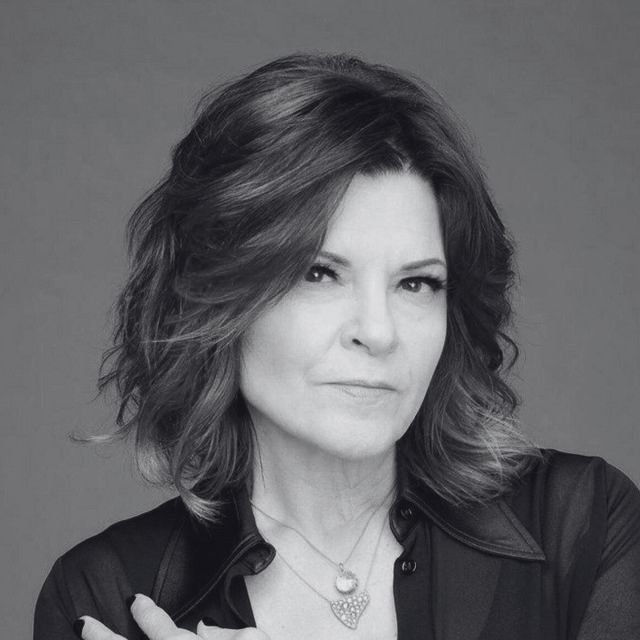
Kathleen Edwards on losing perspective, winning the lottery, and 'Quitters'.

Episode Summary

Kathleen Edwards has been releasing records for over 20 years on labels such as Rounder and Dualtone, she is critically acclaimed by NPR, The New York Times, The New Yorker, and Rolling Stone, and has worked with Jason Isbell, Bon Iver, John Doe, Marren Morris. We talk to Kathleen about winning the lottery, quitting as an ego reset, why musicians are the bottom of the food chain, finishing on a positive, and a whole lot more.

Episode Notes

Kathleen Edwards has been releasing records for over 20 years on labels such as Rounder and Dualtone, she is critically acclaimed by NPR, The New York Times, The New Yorker, and Rolling Stone, and has worked with Jason Isbell, Bon Iver, John Doe, Marren Morris. We talk to Kathleen about winning the lottery, quitting as an ego reset, why musicians are the bottom of the food chain, finishing on a positive, and a whole lot more.

Get more access and support this show by subscribing to our Patreon, right here.

Links:

Click here to watch this conversation on YouTube.

Social Media:

All music written, performed, and produced by Aaron Shafer-Haiss.

Episode Transcription

138 Kathleen Edwards

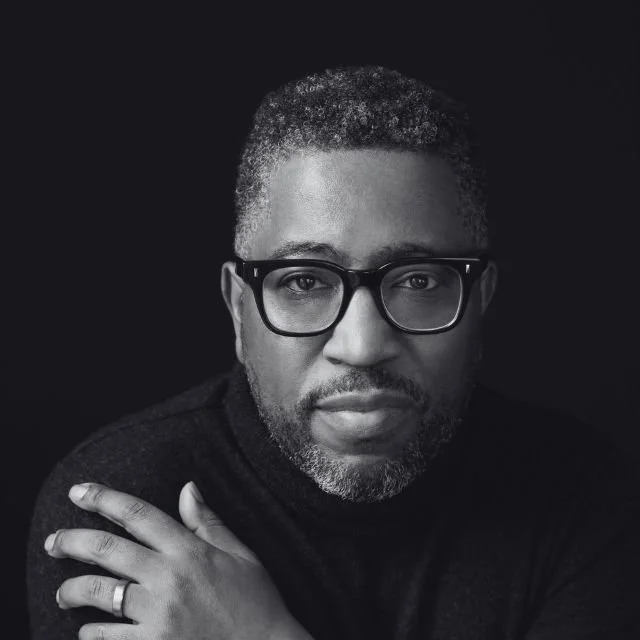
Hello, and welcome to the final episode of the Other 22 Hours podcast for 2025. I am your host, Aaron Shafer-Haiss.

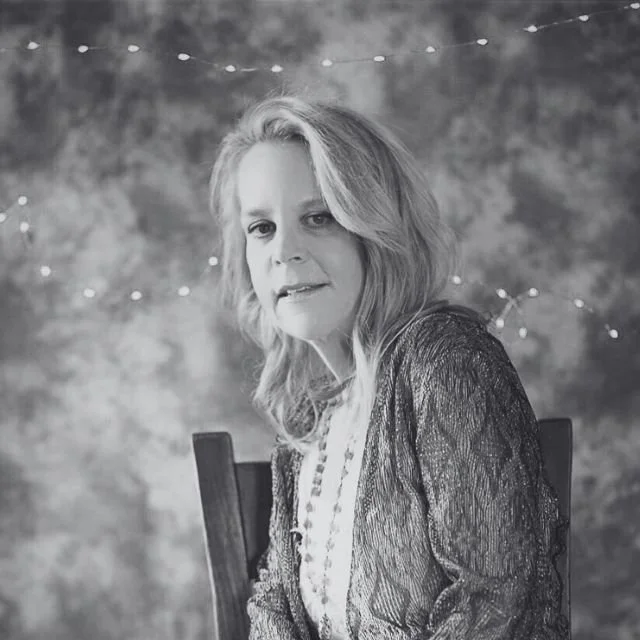
[00:00:21] Michaela: and I'm your other host, Michaela Anne. And this is episode 138, and we are featuring our conversation with Kathleen Edwards.

[00:00:31] Aaron: Yeah, for those of you who don't know, Kathleen Edwards is a singer songwriter from Canada.

She started putting out records 25 years ago and has released records on rounder. Dual tone and Canadian labels. She has performed on The Late Show with David Letterman. She's performed on Leno. Rest in peace to both of those shows. she's critically acclaimed by NPR Rolling Stone, New York Times The New Yorker.

She's worked with Bony Ver John Dove. Past guest of ours, Maren Morris. Jason Isabel co-produced her most recent record, and she famously quit the music industry in 2012 and opened a coffee shop appropriately named Quitters.

[00:01:09] Michaela: Yeah. And her return to music was in 2020. Aptly timed with the pandemic. but we got to really, talk about a lot of stuff, namely gratitude and how to rebuild that gratitude for the journey that you've traveled, regardless of where it has met or not met your expectations or hopes or dreams.

How taking time away and taking a break was a sort of ego reset. How being an entrepreneur and another industry in realm has. Helped and been applied to her creative endeavor back in the music industry, as well as the concept of winning the lottery in the music industry. We can, believe that so much of success all comes back to personal responsibility and talent and merit and really that's just not how it works.

she explained this kind of concept of. Sometimes people just win the lottery in this industry, and that's how it goes, which I felt very calm after thinking of it in that way.

[00:02:08] Aaron: As I mentioned, this is our final episode of 2025, and as we have done in years past, we're gonna take a few months off for.

Mental clarity, if you will to tackle other things. But we're also have some really exciting news coming up about this podcast, and we're going to reconfigure a lot of things, rework a lot of things so that we can be bigger and better when we come back in March. So we don't want you to miss the new episodes because we already have some lined up and they are incredible.

So please take a second right now to click follow, subscribe, whatever it's called on the platform that you're listening to right now or on YouTube. That way you don't miss the first episode that comes back if you don't know what you're gonna do with yourself for eight weeks. We have 137 other episodes that you can listen to after this one if you need recommendations.

Just drop us a DM anywhere. We'll see it. It's really just the two of So drop us a dm, send us an email at info at the other 22 hours.com. Let us know who you wanna see as guests. Let us know who we're missing and also check out our Patreon. There's a community over there. We see all those as well.

But without further ado. Here comes a costume change if you're watching us on YouTube and our final guest of 2025, Ms. Kathleen Edwards.

[00:03:16] Michaela: you have been a kind of dream guest for a while?

Mm-hmm. I'm personally a, huge fan of your music, but also just the way as someone who's never met you personally and just kind of consumed, online what you've shared, you come off like someone who shares very openly, vulnerable. Aspects of your life and reality of what this life is.

So I've been hoping to be able to invite you on. And we always like to start with just a how are you and where are you today physically and creatively.

[00:03:51] Kathleen: Well, your timing is perfect for some of the conversations we don't necessarily have in public. so it's. Early December I put out a record in,August and the whole year. I toured a lot in different varieties, like as a trio, as a solo, as a full band with a new album before a new album.

And I'm now home in where I now live, which is St. Petersburg, Florida. I moved here a few years ago, but now is really sort of full-time my home, despite being away all the time I am having one of those weeks where I am trying to make sense of what was an incredibly intense year that was filled with in.Wonderful moments, and to me a lot of the adversity Now is not the setback. It's sort of like the ongoing it will always exist feeling rather than,which I think is a perspective that has come to me through age and experience. Rather than feeling like I just navigate one crisis to another.

I think,all entrepreneurial self-employed people constantly navigate periods of. Either doubt or downturn or frustration or feeling like you're always putting out a fire. And so after being on the road and having this wonderful period of being high and adrenaline based, comradery, band shows, being in front of people connecting, which is the true joy for me of.This line of work, I guess you could call it um, or this choice or this thing, I can't help but do, I'm sort of contemplating and confronting the realities of the logistics and the administrative realities, which is that I didn't make any money and it's very discouraging and, you work with a team of people, some of whom you get to choose and some people you don't always.

And reflecting on how things could be better going forward and, also trying not to ever lose sight of the things that make it worthwhile. So that's how I'm doing. Is that, is that a good answer? I,

absolutely.

[00:05:52] Michaela: Yes. Yeah. Yeah.

So much to unpack there. Yeah. I was living

[00:05:57] Aaron: through every sentence of that. I was like,

[00:05:58] Kathleen: Yeah, I, I think, I'm sure that is a real.everyone can relate probably even people outside of music can relate to that.

and the one thing that is true is there seems to be, and I think this is just the nature of, the openness of social media, which is one of the really good things about this forum that did not exist essentially 10, 12 years ago in the way it exists now.

It's great. And validating and reassuring to know. That maybe somebody who's just put up their first record will hear me say that and feel. Reassured and also like, oh God, is this what I'm in for? but I also think, you know, I'm seeing a lot of people post, you know, statements that they're taking a break or their,band is disbanding or, it's never been harder and.

And I,I'm sure that that is true, I also think that there is a certain reality to this choice. And I think once you give it a many years of your lifeand you realize how committed and how many sacrifices you make, you don't at the time realize our sacrifice. Ishow much commitment being a creative person requires that at the time you're making that commitment when you're younger, you don't see it that way.

I think what's hard is confronting possibility and the probability that it's never going to pay off in the way that,you know, the great fantasy of what it could be. the reality of that hitting Can be very discouraging. it can make you wonder why you made the commitment.

It can really make you doubt your choices or make you feel like you can't continue to do it in that way. So I, I have a lot of empathy for that. I, I've been through it myself. hear a lot of people say. there must be a better way. And I think that is true.

I think also people have to, at some point, take some stock of whether or not, the sacrifices at where they are in their life are worth it. And the answer can be it's not. Life is still full of joyful. Purposeful moments, and it doesn't have to necessarily revolve around your music career. Which I think is also one of the reasons you have this podcast.

[00:08:06] Aaron: Yeah, entirely. I mean, it's like it takes so much grit and singular focus to continue to push the boulder of this career. I think it's really easy to, I wanna say fall victim to having blinders on. But to not see that you're not seeing the whole picture and that,a music career is but one part of a broader existence in this life.

[00:08:28] Kathleen: think it's also that balance where there are a lot of people who choose to go into jobs where they know they're going to have. Sort of a more traditional and conventional trajectory of stability and, maybe even today's generation that looks much different than it did 20, 25 years ago.

we also made a choice. Like all of this stuff has sort of been a choice. And the reason we do things in this line of work or in this field is also because. we made a choice that this is what we can't help but do.

And taking some responsibility for that is important. And I think sometimes when you do take responsibility for that, it makes the things that don't happen, maybe in this sort of dream scenario, more palatable. And also, I wrote a song that I never released it's one of my favorite songs, it's a bit of a like. This is fucking hard. But there's a line that says I sure as fuck couldn't work a government job So I have to also make peace with that reality. Like, there are a lot of things I would be very unhappy doing that might be a little bit more traditional and a little bit more stable, but I wouldn't be happy doing them.

people have to be accountable to that

choice.

[00:09:38] Michaela: Yeah, and I think especially in the age of social media and like we can see so many more examples of people getting to do the thing that we. Fantasized or hoped we would get to do, or on the level of shows or tours that we hoped we would get to, and we might not be doing at the time, but we still are not seeing the whole picture.

That's the mind fuck to me, is like, you can look at someone and be like well, they're on a bus and they're selling out theaters. So like if I had that, I would be satisfied. I know I would, I would be happy, but. You don't actually know, and we don't know what the dynamic is for that band or artist and whatthey sacrifice to do that, and what they, you know, have given up or how their relationships have been impacted because of the time commitment and dedication it takes to get to that level as well.

There's just so much nuance that is really hard. When you have a dream to take into consideration and not just solely think, I would be good if I got the fantasy dream.

And also understanding in this business, you could get the fantasy dream. It might only happen for a year because then, then the cycle's done.

You're back home and you're like, well, shit. Now I gotta make another record and do it again. And there's no guarantee. That it happens the same way every time.

[00:11:01] Kathleen: Yeah. It's funny I have said that exact thing. and actually I still hold that, what you just named as like, I would be very happy if I could Sell a thousand tickets a night and play midsize theaters. I would be happy with that. If I could, maybe, if I could tour a bus.

I actually hate tour buses, but I will still tolerate them and I know that there are things that come with it that are helpful. But, you know, I think about what you just said and,one of the things that comes with getting to that stage is also being responsible for even more people.

And

[00:11:31] Michaela: Mm-hmm. people's employment and having that pressure is enormous as well. So, know, be careful what you wish for. Like you just said, it's true. Yeah. I've, I kind of had this realization this last year because I tour we did with like our 4-year-old when she was little, and now I have, we have a 10 month old and the last year of his life, starting around three months, I will go and open shows and tour and do small things and I will take him with me.

And I was thinking about. I played a show, it was like a one-off in Philly and I like flew to New Jersey and stayed with one of my best friends and she came with me and it was like this beautiful personal experience of getting to spend time together in this way. And I was like, oh, maybe this is what I love about a music career that I love the likeexcuses that it gives me to check in with people that I love and have these relationships that are long distance That's not happening if you're on like a big tour bus and have a bunch of people thattake into consideration, like there's agility, in being small that I didn't really see until this past year because I spent a lot of time thinking well, it'd be so much easier if I was a big production like, well. there's also positives to being a lone wolf in a way, like the movement that you can have. But it's really hard to get to that place where you cannot just like we can logically think about it, but how can we actually believe it

and then be satisfied with what we have.

[00:13:03] Kathleen: When I first started playing music in Ottawa, Canada, so I studied classical violin, so I played musicin a certain world for my entire childhood. And then when I moved outta my parents' home and I moved downtown, I knew of people who were doing shows who were singer songwriters who had albums, and I really didn't have context for how.

big or small their career was to me, they were, at a level that I couldn't even contemplate for myself because it had never happened to me. And now when I think about maybe a few of those people individually, I go, wow. I eclipsed their sort of level. And I don't mean that.

in a, like, I beat them. I just mean I went to a completely different realm of, recording and touring than they ever did. but when I was 18, I looked at them as like they're doing it. And we really do lose perspective about how much work effort and. accomplishment it is to even do one ep,to get to a point where you're actually on stage performing songs for people and it's not your first show.

those things are worth,certainly worth acknowledging. And we, we.understandably lose sight of that. I think that is the one thing that quitting music for the period of time that I quit, that is the thing I gained the most appreciation for. And I remember I got asked to maybe go do a writing session with somebody, which I don't do, but Iknew this person and I,thought very highly of her in Toronto.

And I went down and I could see that she was sort of floundering in her sort of sense of, how great she was and how much she had done. I think she was sort of feeling insecure about likeher body of work or something, or like she was still chasing some carrot and I said to her, you have done more.

Traveling, performing, writing, you have achieved things at the age of 30 that most people couldn't do their whole lives. you need to stop and remember that is an incredible achievement. If you did nothing musically the rest of your life, you did this enormous amount in this period of time, and you can take great pride in just that.

So I think perspective is one of the things that We most regularly neglect.

[00:15:20] Aaron: Yeah, absolutely. I think the trappings of ambition. You know, the carrot on the stick moves with you, and if you're focused on that carrot that's dangling there, don't see everything else. It's harder to be aware of, all of a sudden you're like you said, in this completely other,realm in situation than when you had first noticed the carrot dangling there.

you know how You hear about people who have won the lottery and you buy a lottery ticket. I've done this, you know, a few times in my life where I buy a lottery ticket and I'm like, well, obviously I'm not gonna win. And then you put the lottery ticket in your wallet and you carry it around and you don't check the numbers or you don't, you know, check to see if it was a winning ticket for like, you know, two months, three months.

[00:15:55] Kathleen: And then you likepull it out. You're like, oh, I saw this lottery ticket. Can you imagine if this was a winning number? And for like, you know, 30 seconds, you kind of contemplate how your life could be different and what you would do with all that money. I honestly believe being in the music business is.

Entirely the same. it's this cruel fantasy that other people have. And you can see who the winners are. You know, there There are people who are playing arenas and, three years ago, nobody knew who they were.

And it, it's a cruelties for the people who do the stairs to the top of the mountain.

It just, it's just they won the lottery.

[00:16:29] Aaron: You just remind me of, of a saying I've heard from people and seen on the internet of, you know, you're constantly one song away from everybody. Saying that they believed in you since day one. know,

[00:16:42] Kathleen: Love that.

[00:16:43] Aaron: you see it all the time. but what I was saying before was, I'm glad you brought up the quitting, music.

Did this perception that you have now and this kind of ability to kind of zoom out and have gratitude for where you are and what's happening, is that something that you've always had or did that come from stepping away from a little bit?

[00:16:59] Kathleen: It was a huge reseton my ego, I don't mean that in a way where I thought I was, Whitney Houston and just the whole world didn't know. It was a huge reset of my relationship. With my own ego, with myself of just not being so damn hard on myself. It was a huge reset for realizing how thankful I was for people whowere moved by something I had done, even if it was on my first album.

And that person who I was, has long since. Evolved out of that time of my life all of those things carry a lot more meaning now, and I think by pulling myself out of the circus, it just allowed me to appreciate that. So I do think quitting has given me a whole new appreciation for what I had.

I just did an album cycle. The amount of money and effort that I put into making that record, of course, I care about whether or not I'm selling 500 tickets a night instead of 200. I want to sell 500 tickets a night.

[00:18:03] Michaela: Mm-hmm.

[00:18:04] Kathleen: Always doing that. And

[00:18:05] Michaela: Mm-hmm.

[00:18:06] Kathleen: frustrating to go into rooms that were booked almost eight months ago and know that I was unable to fill some of those rooms, but I, five minutes before the show starts now, I don't.

Feel like a failure. I go, we're gonna put on a great show for the people who are here.

[00:18:22] Michaela: Hmm.

[00:18:22] Kathleen: Before I felt terrible about myself. I felt like it was a reflection of I just was not good enough to sell those tickets. And now I'm like, look, whatever the reasons are that I didn't sell out a room are not necessarily in my control.

And enjoy, the show because you're with your best friends who you love playing music with.

[00:18:40] Michaela: Mm-hmm.

[00:18:40] Kathleen: And the people who are here are fucking thrilled.

I know that sounds really simplistic, but when you you are the person who gets paid last. You are the person who wants to make more creative choices.

And the only way to do that is to earn a bit more money. That's just the truth.

[00:18:56] Michaela: Mm-hmm.

[00:18:56] Kathleen: Don't happen. They're hard on your soul, but finding a way to keep them in perspective is, my new trick

[00:19:03] Michaela: You're holding two things and also I think there's something to be said for when it's your solo name versus if you were in a band or collective, like I have found in the few times that I've, played in other people's projects or been a part of something. It's such a different emotional attachment to selling tickets or promoting or anything.

When it's me, Mikayla Ann, it is so hard to not take everything so personally of like people not coming to the show is a direct rejection of my whole self. When there are so many other elements, like you said, we don't know what else was going on that night, how effective marketing was, did it get to people?

There's so many things. That we can't personalize and not to mention luck and timing and all the things that are hard for us to believe because we just want to succeed. But I also think going back to that word perspective of like. yes, you wanna build and you wanna sell more, and you wanna make more because it, means keeping business relationships, because of people who are invested or making money or supporting everybody else who's dependent on these jobs and growing your opportunity, all that stuff.

But emotionally, for you to sustain and keep doing this, I do feel like you have to have this mindset of like, I am so grateful that even. Five people took the time to buy a ticket. Maybe they had to arrange for childcare, whatever, and like, come out here, find parking come in here

[00:20:37] Kathleen: Yeah.

[00:20:38] Michaela: like,

I'm gonna put on an incredible show for them.

And I think that perspective has to kind of be like delusional. For us to continue and also know your line because some people could spend a lifetime never playing to a room more than 50 people and think that they won the lottery. That they get to spend their life sharing songs in tiny rooms to people who want to be there.

And somebody else would be like, that is an epic disastrous failure, and I would never do that. And I'm not going out unless I'm selling 2000 tickets. Or

[00:21:15] Kathleen: Or maybe maybe it's just that's not enough for me.

[00:21:17] Michaela: Yeah. Mm-hmm.

[00:21:18] Aaron: It's, it.

yeah. What resonates with me is like. In that sense you used the word delusional in that, that hope, it's like it really is to me that very real possibility for any of us of winning the lottery of it can change overnight.

Especially now with, TikTok and all of that. You know, being here in Nashville, we have lots of friends who get hired to go on these tours that are 50 dates throughout America, completely sold out. And the artist is like 17 and has never played on stage before. it's just like this immediate thrust out there because of some viral thing.

But what I'm getting at is like, as you took your break, you famously opened a coffee shop and you entered this other real world business. I, I wanna say only because our friends, the Watson twins They, own a few, event venues around Nashville and they explicitly share how it feels nice to also own a business that like if you do X, Y, Z.

X, y, Z happens. It is like a typical business where if you put in the effort, put it in one plus one actually equals two. Right? Where in music you're like, I think one plus one equals two. Oh, it equals five. Okay, cool. Or so then the next day, or it equals

[00:22:18] Michaela: negative five.

[00:22:19] Aaron: Yeah. And the next day you're like, okay, well one plus one equals negative five.

So I know. Oh no, today's negative seven. Okay. Uh, let me like it's, so maddening. I can imagine that owning a coffee shop. There's not really a chance that like you could open one day and win the lottery. Like maybe somebody's gonna come in and be like, here's a million dollars for an espresso that I wasn't gonna spend.

But here you go.

[00:22:37] Kathleen: Well, I'll tell you an interesting story about the coffee shop, which is that I used a very small amount of money that I had made. music, which, thankfully at that time in 20 12, 20 13, I probably had about a hundred thousand dollars sitting in my bank account from, you know, tour and publishing income.

And I had made four records and so there was this sort of floating amount of money That sort of ended up in my business account over time and I was so careful not to spend it. So I did spend about half of it on a coffee shop.

I actually spent a bit more than that, but it wasn't a lot. If you think about what it cost to open a business. And so I did on a shoestring. And my what I envisioned was just, I was gonna be one or two other people work at my coffee shop, and I would just figure it out as I went. And as it turns out, you know, I did just, in the same way that I did playing music.

You just try stuff and meet people and figure out where you're going. And day you've taken a step, you know, and it, leads you somewhere. But within about three, four years of owning. My coffee shop, we were so busy and popular that I ended up having at the peak. And this is before the pandemic.

I had 25 employees

[00:23:51] Aaron: Wow.

[00:23:52] Kathleen: coffee shop we ended up becoming pretty much a full like, sort of cafe restaurant with a kitchen. I had an ice cream trailer. We were licensed. And by the end of, I think year four, maybe year five, but I think it was year four, we had grossed a million dollars in sales, which was completely outside the realm of anything I ever envisioned when I thought, I'm just gonna open a little coffee shop.

You're right, that idea that, a physical business is so much different than a creative entrepreneurial endeavor. Even though there were creative aspects of that coffee shop for me. But the one thing it also gave me was an incredible respect for. For the fact that I actually had been an entrepreneur the whole time before when I was making records and the willingness for me to just be honest with people in music about business, whether it's, how much I can afford to pay my band mates now what the realities are, what I'm prepared to invest in. a risk on buying a, suburban instead of paying, thousands and thousands of dollars in rentals and that money just going nowhere. All of those things. The coffee shop really.

Did instill a confidence in me that I actually do know how to grow a business and that I can, you know, I didn't do it perfectly. I certainly made a lot of mistakes, but it helped me feel confident about myself in a way that coming back to music was like I'm not uncomfortable having any conversation about the business nature of, what it takes to do this.

[00:25:18] Michaela: Has it separated? The emotional like identity stuff and identity and self-worth with business numbers, like I feel like with music we can often feel so much like emotion tied up in to how our music business reflects our self-worth of like, if our numbers are lower, then we want them to be. Have you felt a little bit more separation from that since running a business, the coffee shop and now talking about numbers and more of a like, this is the business aspect and not These numbers reflect who I am and how much I'm worth to people.

[00:25:51] Kathleen: Yes, definitely. I think that's a really well articulated sentiment that My mediocrity in business as a musician is not because I made bad records. there are many factors, and some of them include having a certain amount of investment put behind me outside sources. some of it can even be like, I'll be super honest with you like, my last record, total Freedom, that came out in 2020 and then this record came out in 2025. I've never had less of new music released used in film and television. have, I barely had any syncs, and that has been very frustrating and very disappointing and You know, do I have conversations with people within my team about that?

Yes. Do I know what the solution is? Not really. like, someone either wants to use your song or they don't, and I could go to LA and play at eight people's houses for free and try and hope that someone, finds me charming for 20 seconds and then remembers me when they're trying to figure out a soundtrack for.

The next, whatever, big show is I'm super disappointed by the lack of, opportunities to have my music, used in things to generate income for me. But I, what am I gonna do? Like, Blame people, be a victim. Like, No, it's just, I can't control it, but.

You know, We talk about the acts that you just talked about, the 17-year-old who's suddenly filling arenas. That didn't happen by chance. That came because somebody decided we're gonna throw a lot of money behind

[00:27:19] Michaela: Hmm.

[00:27:19] Kathleen: this team around a person. My guess is that person is going to, at the end of the day, put some money in their pocket.

But everyone else got paid before them. And so anyone who's invested, you know, a hundred thousand dollars into an act, they're probably gonna get their money back before the actual act. Or the singer

[00:27:35] Michaela: Mm-hmm. Mm-hmm. Mm-hmm.

[00:27:37] Kathleen: put money in their own pocket. And we've heard those stories time and time again. I mean, Famously, you know, like the NSYNC guys told that

[00:27:43] Michaela: Mm-hmm.

[00:27:44] Kathleen: how much money was being spent before they actually got their first royalty check.

that's not gonna go away. That's true.

[00:27:50] Michaela: Mm-hmm.

[00:27:51] Kathleen: Things work. So again, be careful what you wish for, but uh, but owning a business that's outside of music for sure has been amazing. And, sometimes people in the last year when I do interviews have asked like. know where you are today versus, you know, you put out your first record 25 years ago. you have any, not regrets, but things that you wish you'd done better and the things I wish I had done better, which I give myself credit for. Like I was paying attention to being a creative person and someone else, was taking care of it, but I wish I understood publishing better.

[00:28:23] Michaela: Mm-hmm. Mm-hmm.

[00:28:40] Kathleen: An audience. So trade offs in everything, and I, think you know, Taylor Swift isn't an accident. she had incredibly smart investment people around her from the very beginning, her parents. There's a reason that she continued to be able to reinvest money into her thing. Like, It's just not a mystery. not the greatest musician that ever lived.

That's not why she's the biggest.

[00:29:04] Michaela: yeah.

[00:29:04] Kathleen: just the most well run.

[00:29:06] Aaron: It's

[00:29:07] Michaela: also, you don't know until you know, like you don't know what relationships are gonna be fruitful or not. You don't know what deals are gonna be fruitful or not. Like it's all trial by fire like, It's so easy to look back and be like well, if I had done this differently, maybe it would've gone this way.

But we, don't really know. part of these conversations and part of my own progression is trying to not do this as much to myself and be like, you know what? My life and career went the path that it did, and what can I learn from it to now inform the decisions I wanna make going forward?

I was making the best decisions with what I had at the time, and a lot of those things didn't work out and a lot of them did in different ways. even like working relationships, we can. Think somebody might be the right person for us to work with because they've done really well by this other person and it doesn't work out the same way for us, or we don't, inspire each other or they don't pay attention to.

There's so many variables that are outside of our control that if the chips fall where they fall, and we can only have grace for ourselves, I think, and try to make more informed, better decisions. And I don't even wanna say better because it's like, I signed a record deal. I was for two records where they owned my masters because it felt like the right trade off.

And then I lived that experience and determined I don't want that trade off anymore. I would rather. Release records on my own and retain master ownership because now I understand the, what happens, what are some of the consequences of not owning your masters, but that also means you don't have the industry financial support.

So how do you find those in other ways? So it's just like, I

[00:30:47] Kathleen: you

[00:30:47] Michaela: think

[00:30:47] Kathleen: to Rounder?

[00:30:48] Michaela: I was on yep, rock

[00:30:50] Kathleen: Oh, okay. Yeah. Yeah.

[00:30:51] Michaela: and again, Wonderful people, but the business side of everything. It transpires differently

[00:30:57] Kathleen: Yeah.

[00:30:58] Michaela: on what happens in your life and career.

[00:31:01] Kathleen: I sometimes make the mistake of saying something that gets interpreted the wrong way, or somehow supposed to be, malicious and it's intended. It's not that this way too, but a lot of people who work in the music business, who are not the creative people do so because they love music and can't do it themselves.

and they love it so much. They wanna be around it. And I think in a very true and, genuine they came into it because they love music so much, they just wanna be around it all the time. So they find places as, you know, working at labels or working at distribution or working at an agency we need those people.

I'm incredibly thankful that someone loves music so much that they wanna do jobs that I, I hate,

[00:31:39] Michaela: Yeah. Yeah.

[00:31:41] Kathleen: But a lot of times those people didn't do an MBA in business. Like they don't necessarily have a lot of, technical skills. They just learn as they go.

And true for me. I, I'm not suggesting that they're unqualified. I'm. That a lot of times people are throwing the best that they have at it, but it's not necessarily from a place of like, they've studied, a broad economic approach to, you know, a variety of different industries.

[00:32:07] Michaela: Right.

[00:32:08] Kathleen: I would say that is I think why we as musicians. And writers and owners of copyright are actually at the bottom of the fucking food chain. Now, when it comes to being paid for our intellectual property,

[00:32:26] Michaela: Mm-hmm.

[00:32:26] Kathleen: because we were so desperate for people to like us and hear us, we were prepared to allow that to be shared for free. And if we were in the. NHL our lawyers who were paid an incredible amount of money, who were in the best in the business, would've protected every single dollar and cent that could be licensed and sub licensed. And, we would have a different economy for musicians,

terms of intellectual property.

I Mm-hmm. fair thing to say because you can't watch a hockey game in certain places in the world unless you pay a subscriber and sometimes it's eight different subscribers you have to pay because they've got that shit locked up tight they're gonna monetize every dollar.

And uh, we should have been paying better attention, not 'cause we're greedy because we had good intentions thinking well, there's other ways. Building a fan base is better than, not well maybe you know, a lot of people might actually go back and argue differently today.

[00:33:19] Aaron: Yeah. Michaela had mentioned our guest, Yancy Strickler, who's a co-founder of Kickstarter amongst all these other incredible kind of artist centric,

businesses. And he mentioned he didn't say the person, but it was a very influential kind of a-list person in the music industry. Stated very matter of fact that every label deal that has ever been made has been made to make sure that the artist doesn't realize the power and the value that they have in their intellectual property. You know? And it's like, that is completely signified to me by, like in recent years all of the mega stars selling their publishing rights for, you know, Bruce Springsteen making like close to half a billion dollars selling their rights to this.

It's like, if there was no. Money in that. If there was no value in that intellectual property, then why are, you know, venture capital firms like BlackRock paying

[00:34:05] Kathleen: Yeah.

[00:34:06] Aaron: to half a billion dollars for that. But what we lack as artists, and we've had this in a few conversations is the actual business infrastructure to capitalize on this valuable breadth of work that we have created.

we learned from a conversation with UMAW, the united musicians and allied workers, that us as independent artists, we're not actually allowed to collectively bargain against Spotify because we're not viewed as laborers. We're viewed as businesses. if we collaborate to work in conjunction against Spotify, it's actually labeled like a cartel because it's poor business practice.

Yeah. The whole, The whole system is stack, actually set

[00:34:42] Michaela: up stack to disempower us. Yeah.

[00:34:45] Kathleen: Yeah,

[00:34:45] Aaron: you know, all of this together, just like, you know, it's not a personal reflection when you show up in a room that holds 500 people and there's a hundred people there. That's not a personal reflection.

It's not a personal reflection when, the industry powers to be or not Propping up your music on a merit-based system. If that was the case, then, whoever singing at the church down the street would be a massive hit. Or, that person that

[00:35:06] Kathleen: Yeah.

[00:35:07] Aaron: is sitting on the edge of the bonfire with half a, your Canadian a Molson or a Labat, I don't know.

And like, just like sings this song that just like, completely floors you,

[00:35:15] Kathleen: Yeah.

[00:35:16] Aaron: they would be at the top of the charts, but it's not, it's people like. Taylor Swift or something like that, who is talented in her own right. But like you said, she's not like the greatest ever.

[00:35:23] Michaela: I know we're, we're about at time.

I don't think that we have to like end on a positive note because I don't think that's like the point isn't. I wanna say that the point isn't to only inspire because I'm someone who like incessantly wants to talk about the hard, bad stuff because I just kind of feel like, yes, we need action and hope, but what helps is knowing that you're not in it alone.

Mm-hmm. That even people that we think like talk about. Perception, like when you, quit music, Kathleen, it was after Voyager. And from my perspective as someone a 20 some year old in Brooklyn, New York, about to make my technically second record, but what felt like my first record, I thought you were like.

It. Mm-hmm. Like that was the dream. I listened to that record obsessively. It was like inspiration for how I wanted my record to sound like all of that stuff, and I had no idea. What you were actually going through, what that was like. And I feel like it's helpful for us to have these conversations because that story happens over and over and over again and the, I think it's not just helpful to make ourselves feel better, but I think it's helpful to then create cultural change that will hopefully. Impact a culture that will start to value arts again and artists, because again, these aren't personal failings. This is an economy and industry and system that is, honestly crumbling. So I feel like for us, our conversations are often like, okay, how do we, yes. One side is like, try to continue and try to like create change and how do we.

Stay connected and remember that we're not personally responsible for all of the challenges. And how do we then keep making music no matter what way that music is made or how it's shared?

[00:37:17] Kathleen: I have to finish on a positive. I

[00:37:20] Michaela: Yes.

[00:37:20] Kathleen: from one of my new friends in music, a guy named Ken Yates, Canadian singer songwriter, and we were co-writing a song and we were near the end, and he said I, I have a new thing after grieving my, the loss of a parent and writing a lot of songs.

He goes, I turned a page and was like, I really think it's important to finish on a positive. And it completely shifted my perception of how to write music. I was like, God, that's such a great tool. so I will finish on a positive.

All of my heroes music were people who were millionaires by the time they were 30 and probably five times over.

You know, Neil Young, Joni Mitchell, Tom Petty uh, the Indigo Girls, Ani, DiFranco, all were able to. Be paid for their records. And yes, there are probably a lot of great artists who never saw the light of day, who were in their orbit or whatever. And so all these things have changed the potential for us to walk in the footsteps.

If our work is good and we show up and we have grit and endure, maybe that will be our we will have our moment too. And fact is, that, was an example. There are heroes that we cannot hold ourselves up to, we cannot expect to mirror those types of. Careers and those types of legacies.

And so what I do know is when you do good work and you are in the company of people that you are happy to be in the company with, or people who you've found because you've your way out of negative social situations or professional situations. focus on that being the singular reward.

And I realize that doesn't pay the mortgage, no one owes anyone anything when it comes to being a creative person. Nobody owes you. You're not entitled. feel like I have done excellent work I can't sit around and be like, oh, boohoo, why haven't I made more money doing this? that will be in my grave so early if that is my, mindset. Your mindset should be pride in doing the work that is good. And sometimes there is justice in the music business. Someone like Alison Russell, who has an incredible story. And played in tons of groups and made tons of work and then made a truly extraordinary record.

And she has had an incredible moment where a lot more people have come to know her in a short period of time. Steven Wilson Jr. is justice and there is sort of to endure. Is I think it's incredibly heroic, don't do it at the expense of your dignity and don't do it at the expense of your happiness.

doesn't owe you anything. It should just be a thing that makes you happy and let that be the root with which your relationship as you get older with music remains. And if it doesn't pay the bills, don't fucking beat yourself up about it. find something else that's really satisfying to do, that's gonna pay your bills.

[00:40:01] Michaela: Mm-hmm. to it, and don't look at it like a failure, just look at it like, you know, it's part of the puzzle that forms your whole life. And music is a piece in that puzzle. It doesn't have to be the whole picture.

[00:40:12] Aaron: 100%.

[00:40:13] Michaela: So you are our last episode of the year, and that's a beautiful way to end this year.

[00:40:18] Kathleen: Not good. life is about good. Things feel really good as you get older because you've also gotten through hard things and unhappy things and sad things and painful

[00:40:29] Michaela: Mm-hmm.

[00:40:29] Kathleen: so when something feels good and you know what that means to you, or you make choices that are better suited to that outcome, that is truly life's great reward about getting older, the failures are the things that inform the successes. never forget that. And in the moment, a failure feels like the end of the world, but it won't forever.

[00:40:48] Aaron: yeah. Khalila Giran says something similar on joy and sadness being bedfellows. You can't have one without the other.

[00:40:54] Michaela: Yep.

[00:40:54] Aaron: Well,

[00:40:55] Kathleen: a dog.

[00:41:00] Aaron: Kathleen, thank you so much for, sitting down with us this afternoon and having this conversation and sharing your experiences and your wisdom and your insight. it was really inspiring.

[00:41:08] Kathleen: thank you for committing so much time and energy to trying to put something out there that might be helpful for other people who are searching for something out there that's related to their journey. ' we needed, when I was really down I, didn't know.

Where I would find answers in the end I had to slug it out. No one had an answer for me. I had to go find it for myself.

It wasn't easy, but I did.

[00:41:30] Michaela: Well, thank you and I, hope someday we cross. Paths in the physical realm.

[00:41:35] Kathleen: indeed. Me too,

[00:41:36] Michaela:

Thank you. All right,

[00:41:37] Kathleen: thanks guys.

[00:41:38] Aaron: care. Bye.

[00:41:39] Michaela: See ya.